

:max_bytes(150000):strip_icc()/092925-Best-Milan-Looks-SOC-40c5362a97b04e8c9d38e42ed9372ed1.jpg?w=150&resize=150,150&ssl=1 "Milan Fashion Week 2026: Best Street Style & Layering Trends")


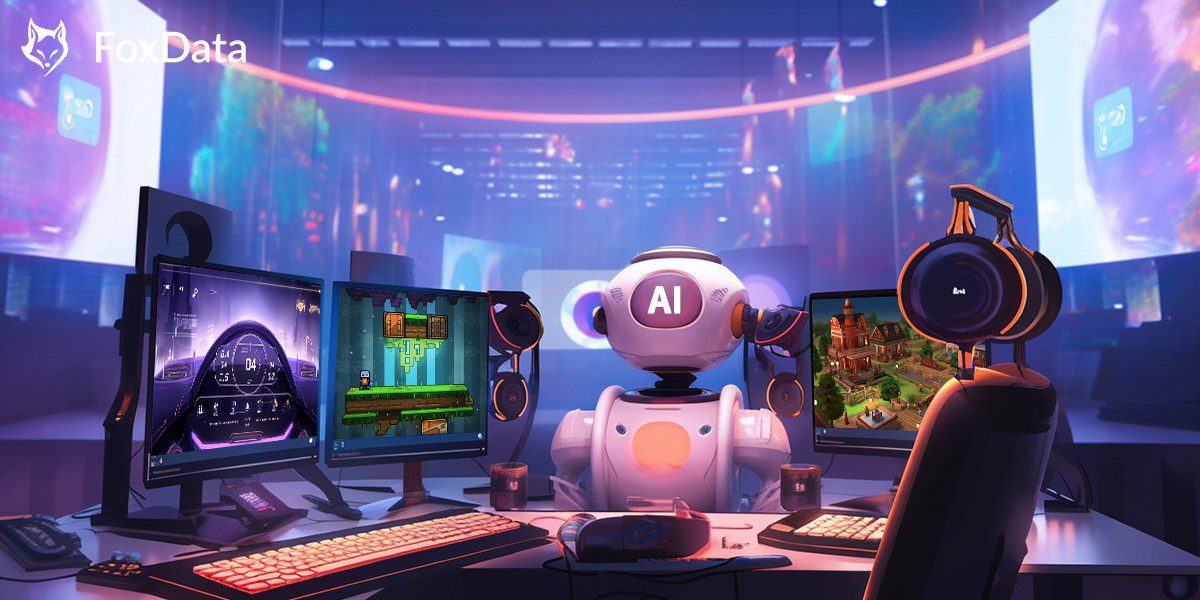
How AI Technology in Gaming Is Changing Player Experience. The gaming industry stands on the precipice of a technological renaissance. Artificial intelligence, once a behind-the-scenes enabler, has catapulted into the limelight, reshaping player experiences with a depth and dynamism previously unimaginable.
AI technology in gaming no longer simply animates characters or environments—it breathes life into virtual worlds, crafting immersive narratives, personalized challenges, and adaptive gameplay that responds to every player’s unique style.
As technology evolves at a breakneck pace, gamers find themselves immersed in universes where unpredictability, complexity, and engagement scale to new heights. The symbiosis between AI and gaming is not just enhancing entertainment but redefining it entirely, ushering in an era where the virtual and the real blur into seamless interaction.
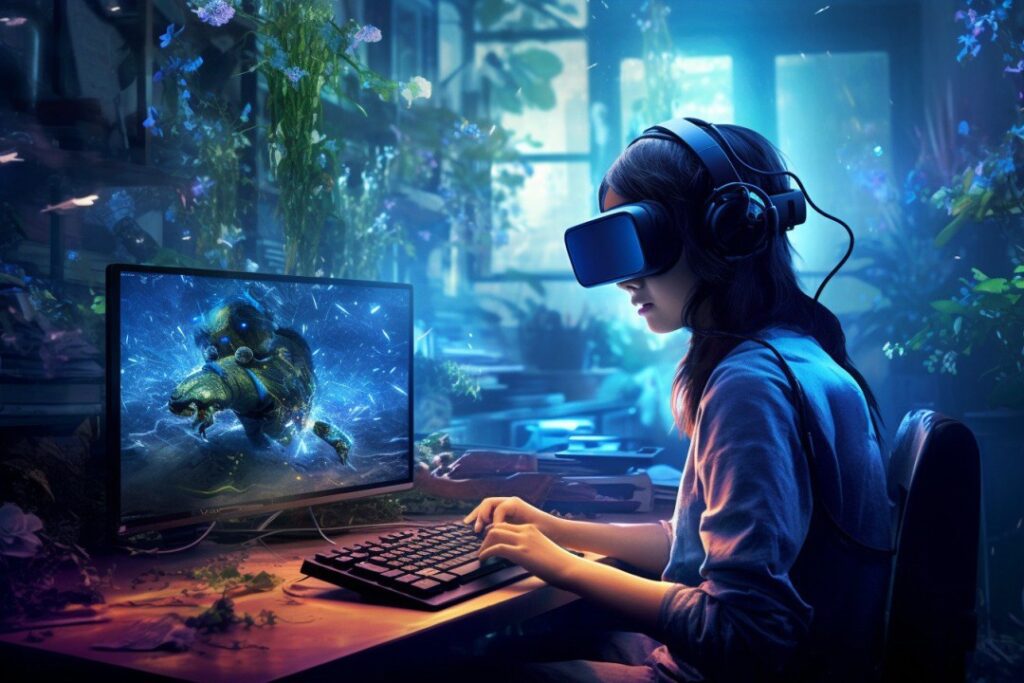
The Emergence of Smarter Gameplay: AI Technology in Gaming Revolution
At the core of this transformation is the integration of AI algorithms designed to simulate intelligence in non-player characters (NPCs), world-building, and game mechanics. These advances lead to experiences that transcend scripted sequences and repetitive patterns, offering players dynamic, organic interactions.
AI Technology in Gaming: Smarter NPCs and Real Challenges is perhaps the most palpable shift. Traditional NPCs followed predetermined paths, acting as static obstacles or simple quest-givers. Now, AI empowers NPCs to learn, adapt, and strategize. These virtual entities analyze player behavior, adjusting tactics in real time, crafting unique encounters that demand fresh approaches.
Imagine stealth games where enemies coordinate patrols intelligently, forcing players to rethink strategies constantly. Or role-playing games where NPCs form alliances, pursue personal agendas, or react emotionally to player choices. The sophistication imbued by AI technology makes game worlds feel truly alive—populated by characters with believable motives and evolving personalities.
Maybe you are interested: AI Technology Transforming Healthcare in Real Time
Unlocking New Levels with AI Technology in Gaming
Beyond smarter adversaries, AI is unlocking entirely new dimensions of gameplay innovation. Procedural content generation, powered by AI, creates expansive, unpredictable environments tailored to the player’s progression. This eliminates repetitive scenarios, encouraging exploration and discovery at every turn.
Unlocking New Levels with AI Technology in Gaming also encompasses adaptive difficulty systems. Rather than relying on static difficulty settings, AI monitors player performance and adjusts the challenge dynamically. This ensures that both novices and veterans face a gameplay curve that is engaging without being frustrating or dull.
Further, AI-driven narrative engines can craft personalized storylines, branching paths, and multiple endings based on player decisions. This results in deeply immersive storytelling where every choice carries weight, and no two playthroughs feel identical.
In multiplayer arenas, AI enhances matchmaking by analyzing player skills, preferences, and play styles to create balanced, competitive, and enjoyable matches. Additionally, AI bots fill in for absent players with realistic behaviors, maintaining game flow without compromising experience.
The Future of AI Technology in Gaming Worlds Explored
Looking ahead, the horizon for AI in gaming brims with tantalizing possibilities. The Future of AI Technology in Gaming Worlds Explored reveals a trajectory towards hyper-personalization, where games evolve around individual player psyches, learning preferences, and emotional responses.
Imagine virtual worlds that change shape according to your emotional state, or NPCs that remember your past interactions, evolving their attitudes accordingly. AI could enable voice-activated commands with natural language processing, fostering more intuitive and immersive communication.
The integration of AI with virtual and augmented reality promises multi-sensory, interactive experiences—worlds that respond not only to your actions but to your gestures, expressions, and biometrics. This convergence could redefine presence, making players feel truly embedded in fantastical realms.
Moreover, AI’s role in game design is expanding. AI-assisted development tools can generate art assets, music scores, and complex scenarios, empowering smaller studios to compete with industry giants. This democratization of creativity will usher in a diverse array of gaming experiences.
AI Technology in Gaming Driving Innovation and Fun
Ultimately, the raison d’être of AI in gaming is to drive innovation and fun—to keep players enthralled, challenged, and emotionally invested. The nuanced behaviors of AI systems lead to emergent gameplay moments that surprise and delight, creating stories worth sharing.
AI can simulate complex ecosystems where player actions ripple through interconnected systems, leading to unpredictable outcomes. This fosters a sense of agency and consequence that elevates gameplay from mere diversion to meaningful engagement.
In addition, AI enables enhanced accessibility features, customizing controls and interfaces to accommodate diverse player needs, thus making gaming more inclusive.
The entertainment value is amplified as AI curates content, recommends in-game challenges, or even acts as dynamic companions, guiding or teasing players, tailoring experiences that feel personal and exhilarating.

The Symbiosis of Player and AI: A New Paradigm
This evolution reflects a deeper symbiosis between player and AI. The technology learns from the player’s strategies, habits, and preferences, adapting to create a bespoke experience. This feedback loop fosters continuous innovation, with games evolving alongside their communities.
Competitive esports titles leverage AI analytics for training, strategy refinement, and spectator engagement. AI-driven insights enable players to identify strengths and weaknesses, elevating the competitive scene.
In narrative-driven games, AI tools assist writers by generating dialogue variations or plausible character arcs, enabling richer storytelling.
The paradigm shift is clear: AI is no longer a mere tool but a creative collaborator.
Challenges and Considerations in AI Gaming Integration
Despite its promise, AI integration in gaming comes with challenges. Balancing AI sophistication with computational resources is a constant trade-off. Overly complex AI may strain hardware, limiting accessibility.
Ethical concerns arise as AI learns from player data. Ensuring privacy and transparent use of data is paramount to maintain trust.
Additionally, unpredictable AI behaviors can sometimes lead to frustrating or unfair gameplay if not carefully managed. Game designers must fine-tune AI systems to maintain challenge without alienating players.
Maybe you are interested: Electric Car Technology: The Future of Sustainable Transportation
Conclusion: Charting the New Frontier of Gaming Experience
The metamorphosis of player experience through AI technology is both thrilling and profound. With AI Technology in Gaming: Smarter NPCs and Real Challenges, gamers encounter worlds teeming with life and unpredictability. Unlocking New Levels with AI Technology in Gaming invites exploration into dynamic, personalized gameplay. The promise outlined in The Future of AI Technology in Gaming Worlds Explored paints a vision of immersive, evolving universes that respond to every player’s uniqueness.
All of this culminates in the ultimate goal—AI Technology in Gaming Driving Innovation and Fun—where the fusion of creativity and technology crafts experiences that captivate and inspire.
As AI continues to evolve, the gaming landscape will undoubtedly shift, offering players uncharted adventures and redefining the essence of play. The future is here, and it’s intelligent, adaptive, and infinitely imaginative.

:max_bytes(150000):strip_icc()/092925-Best-Milan-Looks-SOC-40c5362a97b04e8c9d38e42ed9372ed1.jpg?w=300&resize=300,300&ssl=1 "Milan Fashion Week 2026: Best Street Style & Layering Trends")


More Stories
Best Budget Webcams 2026: 1080p Streaming Under $50
Best Webcams for Streaming 2026: AI Tracking & 4K Favorites
Guadalajara World Cup 2026: Security Updates and Travel Safety