

:max_bytes(150000):strip_icc()/092925-Best-Milan-Looks-SOC-40c5362a97b04e8c9d38e42ed9372ed1.jpg?w=150&resize=150,150&ssl=1 "Milan Fashion Week 2026: Best Street Style & Layering Trends")



AI Technology in Gaming Revolutionizing Game Design. The gaming industry is undergoing a profound transformation, one that transcends graphics and hardware upgrades. At the heart of this revolution lies artificial intelligence—a technological force that is redefining game design from the ground up.
AI is no longer a mere tool for animating pixels or managing simple scripted events. Instead, it has become the architect of intricate, immersive worlds, dynamic narratives, and challenging gameplay that adapt seamlessly to the player’s actions.
This new era in game development embraces complexity, unpredictability, and personalization in ways that make virtual experiences richer, more compelling, and deeply engaging. The symbiosis between human creativity and AI’s computational prowess is unlocking potentials that were previously the realm of science fiction.
From shaping narratives that evolve in real time to crafting opponents who learn and counteract player strategies, AI technology is rewriting the rules of what games can be.
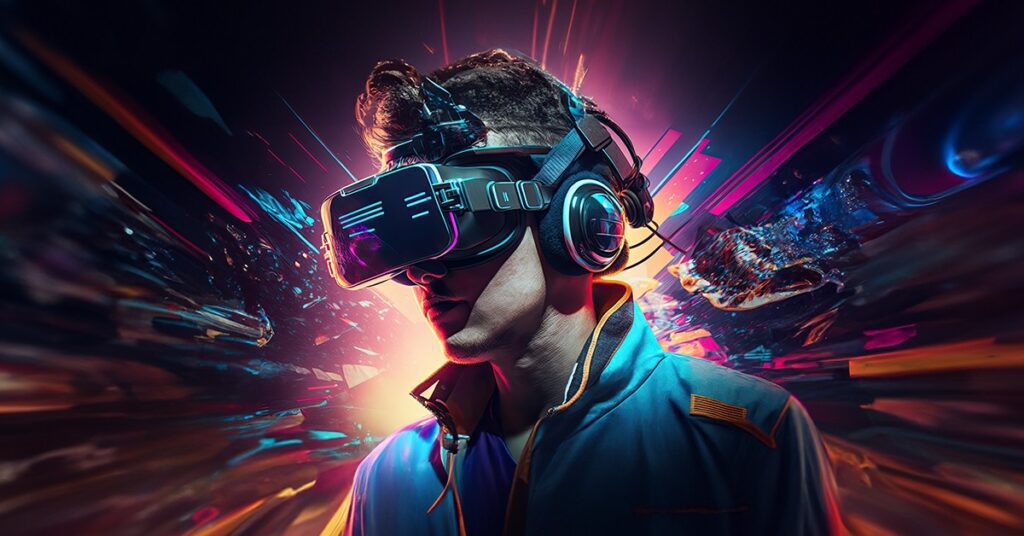
How AI Technology in Gaming Creates Dynamic Storylines
Central to this revolution is the transformative power of narrative design. Traditionally, game storylines were linear or offered a limited number of branching paths, predetermined by the developers. Today, How AI Technology in Gaming Creates Dynamic Storylines marks a paradigm shift, where stories evolve organically based on player decisions, environmental changes, and complex character interactions.
AI-driven narrative engines analyze player choices, emotional responses, and gameplay styles to generate customized story arcs. This means every player experiences a unique journey, influenced by their actions but also by the AI’s ability to weave events that feel coherent and impactful.
Consider role-playing games where the plot adapts dynamically: allies might betray the player, entire factions can rise or fall, and the world’s history reshapes itself in response to ongoing player influence. This fluidity imbues games with a sense of living mythology, where the narrative is a co-creation between player and machine.
Furthermore, procedural storytelling, powered by AI, generates side quests, character dialogues, and events that reflect the player’s in-game reputation or moral compass, expanding the depth and replayability of titles.
Maybe you are interested: How AI Technology in Gaming Is Changing Player Experience
AI Technology in Gaming Enhancing Realism Like Never Before
Realism in games has always been a coveted goal. From lifelike graphics to authentic physics, developers have tirelessly pushed the envelope. Yet, AI Technology in Gaming Enhancing Realism Like Never Before takes this ambition to a new dimension—not just in visuals, but in behavior, environment, and interaction.
AI algorithms enable NPCs to react with unprecedented believability. Characters remember past interactions, display emotions, and respond contextually. The environment itself becomes an adaptive entity, with ecosystems that evolve, weather systems that influence gameplay, and economies that fluctuate based on player actions.
In simulation games, AI simulates intricate social dynamics, economic trends, and political landscapes, crafting a believable and immersive world. In first-person shooters or stealth games, enemy AI utilizes tactics, coordination, and real-time learning to provide authentic challenges that mirror human ingenuity.
This elevation of realism is crucial because it draws players deeper into the virtual world, fostering suspension of disbelief and emotional investment.
AI Technology in Gaming: From Bots to Adaptive Opponents
The evolution of AI opponents epitomizes the leap from rudimentary scripting to sophisticated adversaries. AI Technology in Gaming: From Bots to Adaptive Opponents illustrates how AI has grown beyond static foes into dynamic entities that learn and evolve.
Early game bots operated on predictable patterns—easy to exploit and ultimately unsatisfying. Modern AI opponents utilize machine learning to analyze player tactics and adjust their strategies accordingly. This adaptive behavior creates a more engaging, challenging experience that keeps players on their toes.
For example, in competitive games, AI adversaries may switch between aggressive, defensive, or evasive tactics depending on player behavior. They can coordinate with other AI or human players, employ deception, and even feign mistakes to lure players into traps.
This dynamic opposition elevates gameplay from rote repetition to a cerebral contest, blending entertainment with intellectual stimulation.
The Role of AI Technology in Gaming Competitions Today
Competitive gaming, or esports, thrives on precision, strategy, and fairness. Here, The Role of AI Technology in Gaming Competitions Today is multifaceted and indispensable.
AI assists in matchmaking by analyzing player skill levels, playstyles, and behavioral patterns, ensuring balanced and competitive matches that enhance player satisfaction and viewer engagement. It also powers real-time analytics during competitions, providing commentators and coaches with in-depth insights into player performance, strategy shifts, and game dynamics.
Moreover, AI-driven bots serve as practice partners for professional players, simulating various playstyles and strategies to prepare competitors for the unpredictable human element.
Anti-cheat systems leverage AI to detect anomalies, suspicious behavior, and hacking attempts, maintaining the integrity of competitive play.
These applications of AI not only enhance the quality and fairness of gaming competitions but also expand the ecosystem’s professionalism and appeal.
Procedural Generation and AI: Expanding the Boundaries of Creativity
AI’s influence extends deeply into world-building through procedural generation—creating vast, intricate game environments algorithmically rather than manually. This technique empowers developers to produce sprawling landscapes, complex dungeons, and detailed urban sprawls without exhaustive manual design.
AI enhances this process by integrating player behavior and preferences, generating content tailored to individual playstyles. The result is not only scale but also meaningful variation, ensuring that no two gaming sessions feel alike.
Such AI-driven creativity fosters exploration, discovery, and wonder, core pillars of engaging game design.
AI-Assisted Game Development: Bridging Creativity and Efficiency
Behind the scenes, AI is revolutionizing game development workflows. AI-powered tools automate mundane tasks like testing, bug detection, and asset optimization, freeing creative teams to focus on innovation.
Procedural animation driven by AI can create realistic character movements without labor-intensive keyframing. AI-generated music and soundscapes adapt dynamically to gameplay, heightening immersion.
Moreover, AI assists narrative designers by suggesting dialogue variations, plausible plot progressions, and character development arcs—accelerating storytelling while maintaining coherence.
This fusion of AI and artistry enhances both the quality and efficiency of game production, democratizing high-end development capabilities.
Challenges and Ethical Considerations in AI-Driven Game Design
While the benefits of AI in game design are immense, challenges remain. Balancing AI complexity with system performance is critical to avoid alienating players with hardware limitations.
Ethical concerns arise around AI learning from player data—transparency, consent, and privacy must be rigorously maintained. Developers must also navigate issues of bias in AI behaviors and ensure that generated content respects cultural sensitivities.
Furthermore, the unpredictability of AI systems can sometimes lead to undesirable gameplay experiences, requiring careful testing and tuning.
Addressing these challenges is essential to harness AI’s full potential responsibly.
The Future: Towards Fully Immersive, AI-Driven Game Worlds
The trajectory of AI in game design points towards increasingly immersive, personalized, and responsive experiences. Future games may feature worlds that evolve continuously, NPCs that develop personalities over years, and narratives that reflect not only player actions but also their emotional states.
The integration of AI with augmented and virtual reality technologies will deepen immersion, enabling games that react to player gestures, biometrics, and even neural activity.
As AI becomes a creative partner rather than just a tool, the boundary between developer and player, virtual and real, will blur, heralding a new epoch in gaming.
Maybe you are interested: Electric Car Benefits: Why Going Electric Is the Future of Driving
Conclusion
AI technology is revolutionizing game design in ways both visible and subtle. From How AI Technology in Gaming Creates Dynamic Storylines to AI Technology in Gaming Enhancing Realism Like Never Before, the impact permeates every facet of the gaming experience. The evolution from static bots to AI Technology in Gaming: From Bots to Adaptive Opponents reshapes gameplay, while The Role of AI Technology in Gaming Competitions Today ensures fairness and excitement in esports.
Beyond gameplay, AI expands creative horizons through procedural generation and development tools, pushing the boundaries of what is possible. Despite challenges, the fusion of AI and gaming promises a future where virtual worlds are richer, smarter, and more alive than ever.
This revolution beckons players and creators alike to explore new frontiers where imagination meets intelligence, forever transforming how games are designed, played, and experienced.

:max_bytes(150000):strip_icc()/092925-Best-Milan-Looks-SOC-40c5362a97b04e8c9d38e42ed9372ed1.jpg?w=300&resize=300,300&ssl=1 "Milan Fashion Week 2026: Best Street Style & Layering Trends")


More Stories
Best Budget Webcams 2026: 1080p Streaming Under $50
Best Webcams for Streaming 2026: AI Tracking & 4K Favorites
Guadalajara World Cup 2026: Security Updates and Travel Safety