

:max_bytes(150000):strip_icc()/092925-Best-Milan-Looks-SOC-40c5362a97b04e8c9d38e42ed9372ed1.jpg?w=150&resize=150,150&ssl=1 "Milan Fashion Week 2026: Best Street Style & Layering Trends")


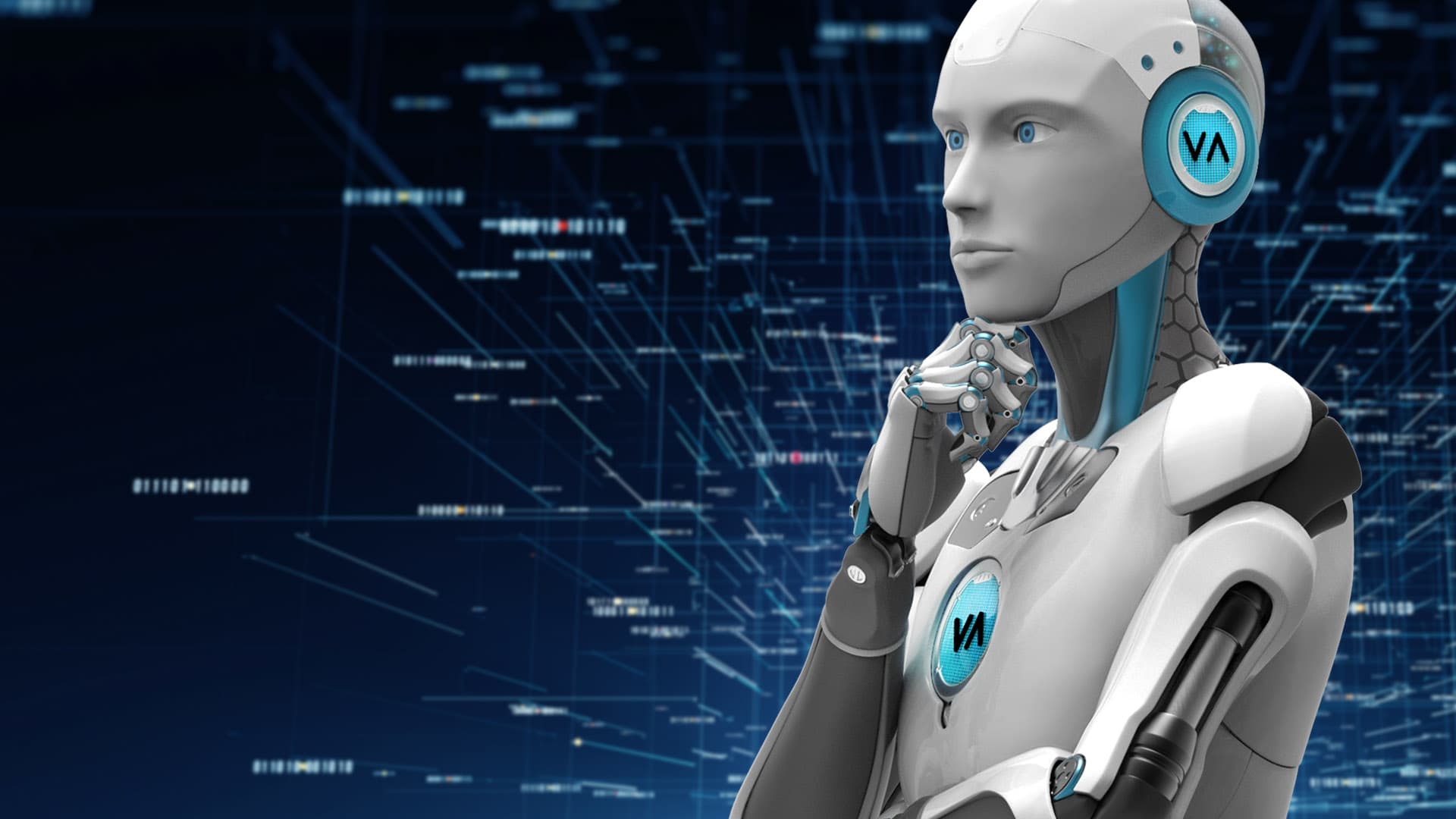
AI Technology Revolutionizing Everyday Life Today. In the labyrinth of the 21st century’s technological advancements, few innovations have captured the global imagination and transformative potential quite like artificial intelligence.
AI technology is no longer a distant dream of science fiction; it has become an omnipresent force reshaping the very fabric of our daily lives.
From the way we communicate and travel to how we work and conduct business, artificial intelligence is instigating a profound revolution—one that redefines possibilities and challenges traditional paradigms.
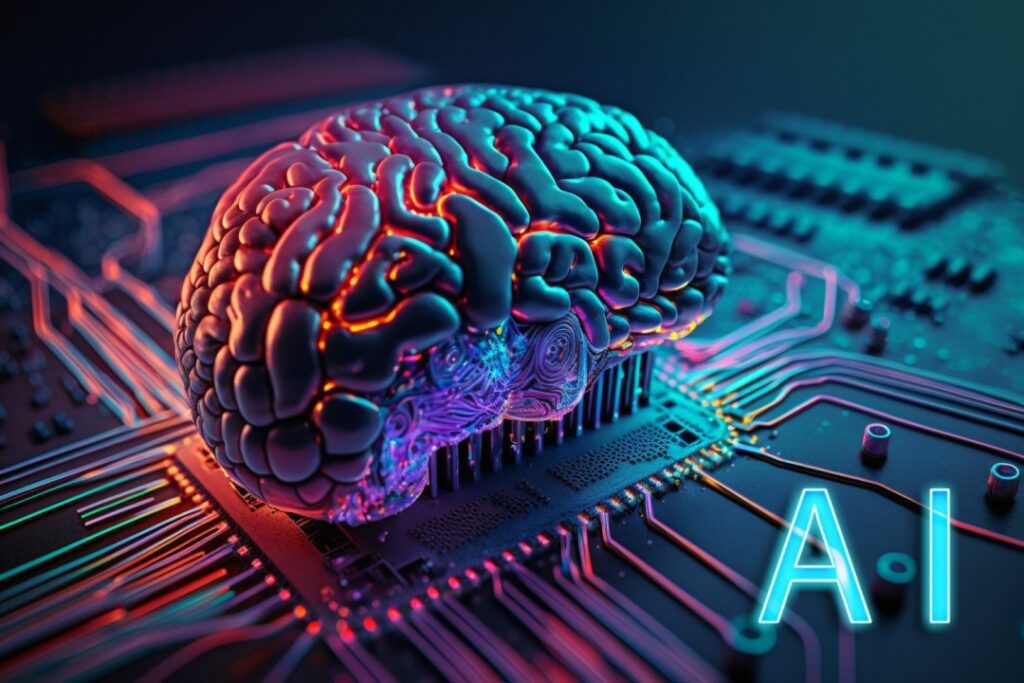
The Dawn of a New Era: Understanding AI Technology
Artificial Intelligence, at its core, refers to machines or software designed to mimic human cognitive functions such as learning, problem-solving, and decision-making. While AI has been a topic of academic interest since the mid-20th century, it is only recently, through exponential growth in computational power and data availability, that AI technology has flourished, delivering breakthroughs that were previously unimaginable.
Every facet of life now increasingly intersects with AI-driven applications. From voice assistants that effortlessly schedule our appointments to complex algorithms optimizing global supply chains, AI is no longer ancillary but central to modern existence. As we stand at this technological crossroads, understanding the nuances of this revolution becomes crucial.
Maybe you are interested: Fashion Rules You Should Totally Break
How AI Technology Is Shaping the Future of Work
The workplace is among the most conspicuous arenas witnessing AI’s transformative power. Automation, once limited to manual tasks, has evolved into intelligent automation—machines capable of performing complex cognitive tasks traditionally reserved for humans. This shift is precipitating a fundamental reimagining of job roles, workforce dynamics, and organizational structures.
AI-driven analytics tools empower businesses to make data-informed decisions with unprecedented precision. Algorithms can identify patterns and trends invisible to the naked eye, thus fostering more efficient workflows. For instance, AI-powered chatbots are revolutionizing customer service by delivering instant, personalized responses around the clock, alleviating human agents from repetitive queries.
However, the influence of AI extends beyond efficiency. It is catalyzing the emergence of new career fields, requiring skills in AI ethics, data science, and machine learning. As routine tasks become automated, human workers are encouraged to focus on creativity, emotional intelligence, and strategic thinking—skills that machines have yet to master.
Nevertheless, this transition is not devoid of challenges. There is growing discourse on the displacement of jobs, ethical use of AI, and the digital divide exacerbated by unequal access to technology. Businesses and policymakers must collaborate to ensure an inclusive future where AI complements rather than replaces human labor.
AI Technology Breakthroughs You Need to Know Now
Recent years have witnessed a cascade of AI breakthroughs propelling the technology into new frontiers. One landmark achievement is the development of generative models such as GPT (Generative Pre-trained Transformer) and DALL-E, capable of producing human-like text and images from simple prompts. These models demonstrate an astounding ability to understand context, nuance, and creativity, opening doors to novel applications in content creation, design, and entertainment.
In healthcare, AI breakthroughs have facilitated rapid diagnosis and personalized treatment plans. Deep learning algorithms can analyze medical images with higher accuracy than some specialists, while predictive models assist in anticipating disease outbreaks, optimizing resource allocation.
Moreover, advancements in natural language processing (NLP) have made conversational AI more sophisticated, enabling seamless interactions between humans and machines. Virtual assistants now comprehend complex instructions, translate languages in real-time, and even detect emotional undertones in speech.
Another area of rapid progress is autonomous systems. Self-driving cars, drones, and robotic process automation are transforming logistics, transportation, and manufacturing. The integration of AI with the Internet of Things (IoT) creates intelligent ecosystems capable of adaptive learning and autonomous decision-making.
These breakthroughs underscore a trajectory where AI not only augments human capabilities but increasingly operates in environments requiring intricate judgment and adaptability.
Exploring the Impact of AI Technology on Business
The permeation of AI into the business sector is a watershed moment in commercial history. Organizations leveraging AI technology gain competitive advantages through enhanced customer insights, operational efficiencies, and innovative product development.
Marketing strategies are becoming hyper-personalized. AI algorithms analyze consumer behavior, preferences, and purchase history to tailor advertisements and recommend products with surgical precision. This leads to higher conversion rates and more satisfied customers.
In finance, AI-powered fraud detection systems monitor transactions in real-time, flagging suspicious activities faster than traditional methods. Algorithmic trading utilizes machine learning to analyze market trends and execute trades at lightning speed, maximizing returns.
Supply chain management has also been revolutionized. AI predicts demand fluctuations, optimizes inventory, and manages logistics to reduce costs and increase responsiveness. The pandemic further highlighted the importance of AI in maintaining supply chain resilience amidst global disruptions.
Human resources departments employ AI for talent acquisition, screening candidates efficiently, and reducing bias in recruitment. Performance management tools powered by AI provide personalized feedback and career development plans.
Despite these advantages, the integration of AI into business raises questions about data privacy, ethical AI use, and accountability. Companies must navigate these complexities to foster trust and sustainability.

The Rise of AI Technology: What It Means for You
The ascendancy of AI technology is not confined to boardrooms and research labs; it has palpable implications for individuals across the globe. It shapes how we live, learn, communicate, and entertain ourselves.
Education is evolving through AI-driven adaptive learning platforms that personalize instruction based on individual strengths and weaknesses. This democratizes access to quality education and empowers lifelong learning.
In daily life, AI applications streamline mundane tasks, from smart home devices adjusting lighting and temperature to AI-curated news feeds delivering information tailored to personal interests.
Healthcare accessibility improves as AI-powered telemedicine services reach remote areas, offering preliminary diagnoses and health monitoring.
Yet, this AI-infused lifestyle also demands digital literacy and vigilance. Concerns around algorithmic biases, misinformation, and data security become increasingly relevant. Users must engage critically with AI tools, understanding their limitations alongside their benefits.
Ultimately, the rise of AI technology invites individuals to participate actively in shaping a future where technology serves humanity’s highest aspirations.
Ethical Considerations and the Path Forward
As AI technology advances at a breakneck pace, ethical considerations take center stage. Questions about data privacy, consent, transparency, and the potential for algorithmic discrimination demand urgent attention.
Responsible AI development calls for interdisciplinary collaboration among technologists, ethicists, policymakers, and civil society. Frameworks emphasizing fairness, accountability, and inclusivity are essential to guide AI integration across sectors.
Furthermore, AI literacy must be prioritized to equip people with the knowledge to understand AI’s workings and implications. Education systems and public discourse should foster critical engagement rather than passive consumption.
The trajectory of AI is not preordained; it is a collective human endeavor. Steering AI toward equitable and beneficial outcomes requires intentionality and vigilance.
Maybe you are interested: Fashion Secrets Stylists Don’t Want You to Know
Conclusion: Embracing the AI Revolution with Wisdom and Vision
The ongoing AI revolution is rewriting the script of everyday life with extraordinary speed and scope. Understanding How AI Technology Is Shaping the Future of Work illuminates the shifting dynamics of labor and creativity. Recognizing AI Technology Breakthroughs You Need to Know Now reveals the astonishing capabilities redefining what machines can achieve. Exploring the Impact of AI Technology on Business showcases a paradigm shift in commerce and industry. Finally, acknowledging The Rise of AI Technology: What It Means for You brings the revolution home, underscoring its personal and societal ramifications.
Harnessing AI’s transformative power responsibly promises unprecedented progress, yet it requires a balanced approach—one that values human dignity, nurtures innovation, and anticipates ethical challenges.
The AI revolution is here. Navigating it with wisdom and vision will determine how profoundly it enriches our collective future.

:max_bytes(150000):strip_icc()/092925-Best-Milan-Looks-SOC-40c5362a97b04e8c9d38e42ed9372ed1.jpg?w=300&resize=300,300&ssl=1 "Milan Fashion Week 2026: Best Street Style & Layering Trends")


More Stories
Best Budget Webcams 2026: 1080p Streaming Under $50
Best Webcams for Streaming 2026: AI Tracking & 4K Favorites
Guadalajara World Cup 2026: Security Updates and Travel Safety