

:max_bytes(150000):strip_icc()/092925-Best-Milan-Looks-SOC-40c5362a97b04e8c9d38e42ed9372ed1.jpg?w=150&resize=150,150&ssl=1 "Milan Fashion Week 2026: Best Street Style & Layering Trends")


Fashion Secrets Stylists Don’t Want You to Know. Fashion, contrary to popular belief, isn’t always about following the runway. The most elite stylists—the whisperers behind celebrities’ unforgettable red carpet looks—often guard their secrets like sacred texts. Behind closed dressing room doors and under the hum of vanity lights, they wield invisible power. But the truth? Much of their genius lies not in extravagance but in strategy.
Welcome to the back alley of fashion knowledge. Here lies the realm of smart, surprising, and unusually effective secrets that stylists rarely share. The kind of insights that transcend seasonal fads and plant roots deep into the soil of authentic personal style.
If you’ve ever wondered why someone else’s simple outfit exudes polish while yours feels… “meh,” this is the blueprint.
1. The “Tailor’s Touch” Trick
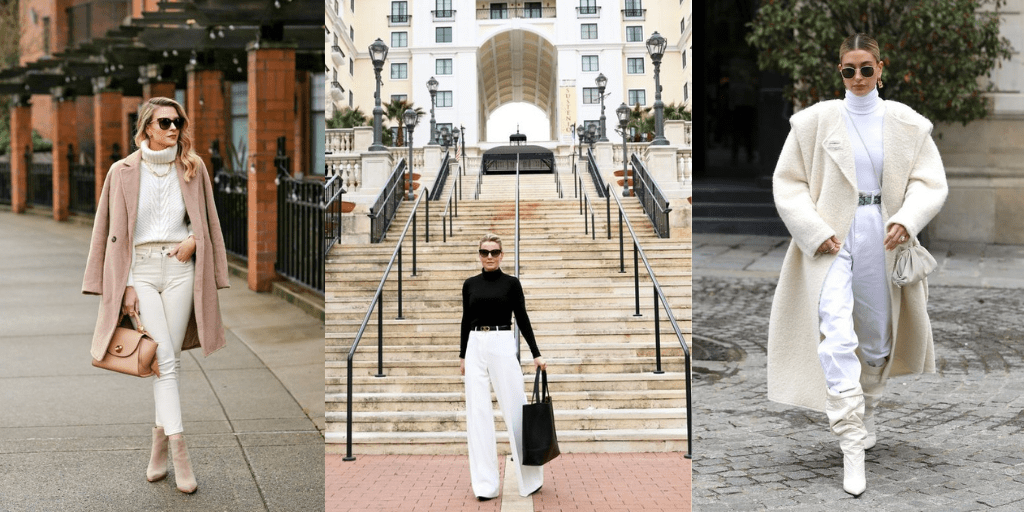
Stylists rarely pull clothes off the rack and throw them on clients as-is. The real sorcery happens at the tailor. A basic blazer that fits “well enough” transforms into a statement piece when nipped at the waist, shortened at the hem, or reshaped through the shoulders. Clothes are engineered for mass markets, but personal tailoring injects individuality—and it shows.
Even inexpensive garments can rival designer pieces when they’re altered to hug your frame just right. This is the silent upgrade that defines Fashion on a Budget That Looks Expensive. Skip the splurge. Embrace the fit.
Maybe you are interested: Fashion Trends That Will Rule This Season
2. The Rule of Thirds
This principle, borrowed from visual design, applies flawlessly to clothing. Divide your outfit vertically into thirds—not halves. For example, high-waisted pants paired with a cropped top or tucked-in blouse create a visually pleasing 1:2 or 2:1 ratio. It elongates the body and looks chic, instinctively.
The secret here isn’t fabric. It’s proportion. Fashion’s holy grail isn’t more. It’s math.
3. The Power of Texture Mixing
Stylists know that dimension trumps color. You can wear all-black or neutral tones and still stand out—if the textures contrast strategically. Consider pairing matte leather with ribbed knits, raw denim with glossy satin, or boucle with structured wool.
This technique breathes life into Minimalist Fashion Looks That Turn Heads. The secret sauce isn’t bright prints or loud logos. It’s tactile intrigue. Let your clothes whisper with sophistication instead of screaming for attention.
4. The Invisible Layer Game
There’s often a hidden layer beneath showstopping looks. Bodysuits, shaping slips, and seamless undergarments help clothes fall perfectly. Oversized button-downs might conceal a corset. Flowy skirts may rest on stealthy structured petticoats.
These unseen layers dictate posture, silhouette, and confidence. Clothes don’t just sit better—they move with grace.
5. The Strategic Steaming Ritual
Wrinkles can ruin even the most luxurious outfit. A stylist never lets a client step into the spotlight with creased linen or crumpled silk. And no, ironing isn’t the solution. Steam is. It relaxes fabric naturally, restores luster, and maintains integrity—especially for delicate pieces.
This is how stylists perfect Fashion on a Budget That Looks Expensive—by ensuring even the most affordable clothing looks fresh-from-the-showroom immaculate.
6. Using Belts Beyond Function
Belts aren’t just for cinching. They’re architectural tools. Use a belt to define the waist on oversized blazers, dresses, or even over coats. Choose wide statement pieces for drama, or skinny belts to add subtle shape without stealing attention.
Belts can break monochrome looks, create curves where none exist, and elevate an ensemble instantly. They’re the minimalist’s miracle.
7. Shoes First, Then Clothes
Stylists often choose shoes before building the rest of the look. Why? Because shoes set the tone. Heeled boots command authority. Sleek loafers whisper understated elegance. White sneakers suggest ease and youth.
The right shoes recalibrate your outfit. Always start from the ground up.
8. The Deconstruction Philosophy
Intentional “wrongness” often leads to high-fashion brilliance. Think inside-out seams, asymmetrical hems, or shirts half-tucked. Controlled disorder creates authenticity. It communicates that your style isn’t overly calculated—it’s innate.
Stylists call this the “undone edge.” It’s the quiet rebellion that elevates basics to art.
9. Repurposing Vintage Like a Visionary
Secondhand pieces aren’t just affordable—they’re gold mines of character. Stylists often shop vintage for unique textures, cuts, and craftsmanship that modern retailers can’t replicate. A ’90s blazer. An ‘80s belt buckle. A ‘70s printed scarf.
These pieces tell stories. When paired with contemporary staples, they forge an aesthetic that’s both rooted and radical. Welcome to the world of Vintage Fashion Finds Making a Comeback—a timeless rebellion that never tires.
10. Neutral Doesn’t Mean Boring
Stylists swear by an earthy, versatile palette. Stone, sand, olive, terracotta, charcoal. These aren’t just “neutral”—they’re strategic. They allow infinite remixing without looking repetitive.
Building your wardrobe around sophisticated neutrals ensures your outfits always appear curated. And when you do throw in a pop of tangerine or electric blue, it feels electric—not forced.
Maybe you are interested: Fashion Entrepreneurship 2025: Winning Ideas and Mistakes to Avoid
11. Contrast Is King
Want your outfit to snap into focus? Contrast textures. Contrast lengths. Contrast styles.
Pair a feminine silk skirt with a rugged denim jacket. Combine structured trousers with a slouchy tee. Juxtaposition keeps eyes moving. It’s intrigue through opposition. Harmony is nice—but contrast is unforgettable.
12. Fashion Math: 70% Basics, 30% Bold
Stylists know that daily wearability is key. Keep your closet 70% full of elevated basics—tailored blazers, fitted denim, clean tees, refined flats. Use the remaining 30% for expressive, daring pieces: metallic trousers, patterned jackets, or statement accessories.
This ratio ensures style stability while allowing room for spontaneity. It’s the cornerstone of how to Level Up Your Look With Smart Fashion Tips.
13. The Strategic Use of Monochrome
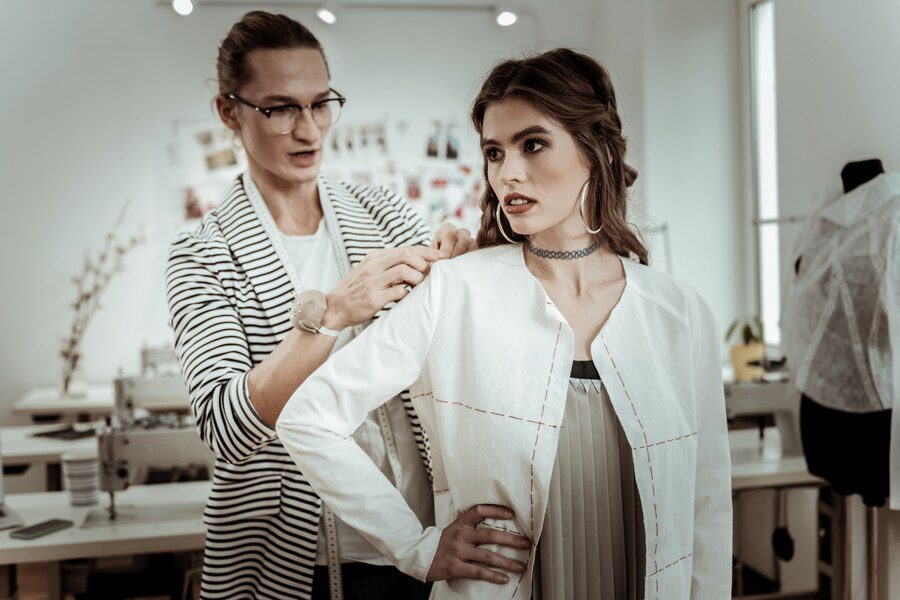
Dressing head-to-toe in one color—or tonal variations of it—isn’t dull. It’s deliberate. It elongates the frame, creates cohesion, and oozes confidence.
Want to dial it up? Layer multiple shades within the same color family: ivory + taupe + camel. Want to shock? Go fire-engine red from blazer to boots. It’s minimalist with maximum effect.
14. Mind Your Hems
Ankle exposure changes everything. Cropped trousers elongate the leg. Hemming a midi dress two inches shorter might transform it from “matronly” to modern. Let your ankles, wrists, and clavicle breathe. Strategic exposure is elegance incarnate.
Stylists wield scissors and sewing machines like sculptors. The right hemline can transform silhouettes entirely.
15. The Power of Seasonal Rotation
Stylists rotate wardrobes seasonally, not just for practicality—but for perspective. Clothes stored away feel fresh when rediscovered. You fall in love again with garments you forgot you owned. Less clutter. More clarity.
It helps you see what truly resonates. And it amplifies creativity. Old becomes new. Forgotten becomes focal.
16. Fashion Psychology: Dress for the Role
Need confidence? Wear structure. Need grace? Choose fluidity. Need energy? Add color.
Stylists understand the psychology of clothes. They don’t dress clients for who they are—they dress them for who they need to become. The result? Authentic transformation. Style is identity alchemy.
17. Knowing When to Say “No”
Not every trend deserves your closet space. Stylists evaluate not based on popularity—but on longevity, flattery, and compatibility with personal essence. Sometimes, the most stylish thing you can do is abstain.
Knowing your no is the deepest form of knowing your yes.
18. Sunglasses Fix Everything
A pair of sunglasses—especially oversized, angular, or cat-eye—adds instant drama. It covers tired eyes. It adds structure to soft outfits. It sharpens silhouettes.
Stylists often use shades as the punctuation mark at the end of an outfit. It’s punctuation. It’s power.
19. Accessories Should Clash Slightly
Perfect matching is passé. Stylists will mix metals. Gold earrings with a silver necklace. A tan leather bag with jet-black boots. Slight tension in accessories feels alive, not overly styled.
Clash intelligently. Don’t coordinate yourself into boredom.
20. Scent Completes the Look
Stylists understand that fashion is multisensory. A signature scent completes a visual aesthetic. It builds memory, allure, mystique. The right fragrance can elevate a basic outfit to high fashion because it adds an invisible dimension.
You don’t just want to be seen. You want to be remembered.
21. Knowing When to Repeat
Repetition isn’t a sin—it’s a sign of signature style. Stylists will often re-style a favorite piece multiple ways across events. The key is recontextualization. A structured blazer today becomes a power move; tomorrow, with sneakers and a hoodie, it’s street-luxe.
Your clothes should be versatile characters, not one-scene extras.
22. Layering Jewelry Like a Pro
There’s an art to necklace layering: vary chain length, mix weights, insert a pendant. With rings: play with negative space, avoid symmetry. Stack bracelets of leather, metal, and beads—but always leave one wrist bare.
Styling jewelry is sculpting light. It catches the eye, reflects personality, and tells subplots of your story.
23. The Drama of a Well-Timed Hat
Fedoras, berets, wide-brimmed felt hats. They hide bad hair days, accentuate cheekbones, or inject instant personality. Hats aren’t costumes; they’re couture punctuation marks.
Stylists use hats not as afterthoughts, but as focal pieces. The bolder the hat, the cleaner the outfit.
24. Elevating Casualwear
A hoodie under a blazer. Joggers with loafers. A vintage tee tucked into pleated trousers. Stylists love tension between ease and elegance. This fusion is how streetwear gets elevated without losing authenticity.
Comfort is no longer the enemy of style—it’s its co-conspirator. This philosophy is essential for Fashion on a Budget That Looks Expensive.
25. Confidence Is the Final Layer
Every stylist knows that no outfit is complete without confidence. Shoulders back. Eyes forward. Own your ensemble, and it elevates exponentially. Even imperfect combinations come alive under conviction.
Confidence isn’t arrogance—it’s ownership. And nothing wears better.
Maybe you are interested: Top Fashion Business Trends Dominating 2025: What Brands Must Know
Conclusion: Rewrite Your Fashion Narrative
Stylists hold their secrets close, but the truth is out now. Fashion mastery lies not in labels, but in knowing how to compose with intention. In seeing the details others overlook. In layering meaning with fabric.
To step into your style potential:
- Tailor everything.
- Study proportion.
- Embrace texture.
- Trust vintage.
- Let accessories speak boldly.
- Master minimalist nuance.
- Mix without fear.
- Wear your mood. Dress your ambition.
And above all, Level Up Your Look With Smart Fashion Tips that feel personal. Unique. Undeniably you.
Let your wardrobe become a mirror—not of trends, but of transformation.
Vintage Fashion Finds Making a Comeback hold the soul of past eras. Minimalist Fashion Looks That Turn Heads reflect restraint, grace, and edge. And every piece you choose, whether thrifted or tailored, proves that Fashion on a Budget That Looks Expensive is not only possible—it’s powerful.
Style isn’t just what you wear. It’s how you command the world’s attention—quietly, cleverly, and unapologetically.

:max_bytes(150000):strip_icc()/092925-Best-Milan-Looks-SOC-40c5362a97b04e8c9d38e42ed9372ed1.jpg?w=300&resize=300,300&ssl=1 "Milan Fashion Week 2026: Best Street Style & Layering Trends")


More Stories
Demna at Gucci: Everything to Know About the 2026 Milan Debut
Milan Fashion Week 2026: Best Street Style & Layering Trends
Guadalajara World Cup 2026: Security Updates and Travel Safety