

:max_bytes(150000):strip_icc()/092925-Best-Milan-Looks-SOC-40c5362a97b04e8c9d38e42ed9372ed1.jpg?w=150&resize=150,150&ssl=1 "Milan Fashion Week 2026: Best Street Style & Layering Trends")


How Intelligent Packaging Enhances Product Safety Fast. In the intricate world of pharmaceuticals, where precision meets innovation, the packaging of a product is no longer just a passive container.
It’s a silent guardian—an active player ensuring that medications reach the patient in optimal condition, uncompromised by environmental threats or counterfeiting risks. Enter intelligent packaging, the cutting-edge convergence of science, technology, and materials engineering.
Today, as global health challenges increase and supply chains stretch across continents, the pressure on pharmaceutical packaging systems has never been greater. From temperature control to real-time tracking, the modern age demands packaging that does more than seal a product—it must boost product safety in pharma with smart packaging that’s both responsive and proactive.
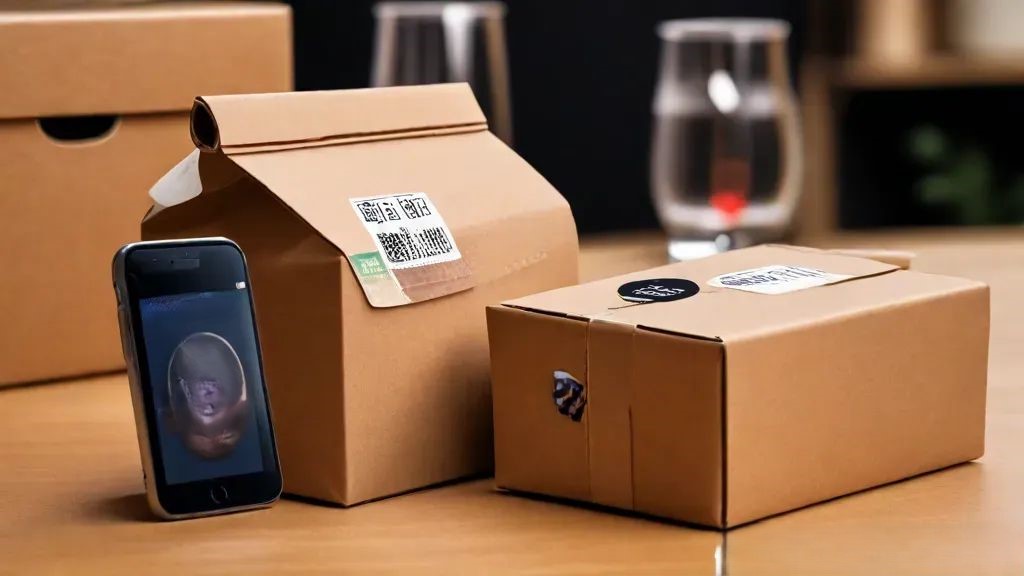
The Evolution from Passive to Intelligent
Traditionally, packaging in the pharmaceutical realm focused on protection from physical harm—think crushed boxes or broken blister packs. But now, packaging has evolved into a sentinel system, capable of sensing, alerting, and even adapting to environmental changes.
This evolution did not happen overnight. As pharmaceuticals grew in complexity, so did the threats they faced—heat sensitivity, humidity, counterfeiting, and improper handling. These challenges spurred the industry toward intelligent packaging technologies, embedding sensors, indicators, and data systems directly into the packaging itself.
The result? A transformative shift where intelligent packaging transforms pharma product safety by detecting anomalies before they become crises.
Maybe you are interested: Healthy Dinner Ideas That Are Ready in Under 30 Minutes
Real-Time Monitoring: The Power of Now
In pharmaceuticals, the condition of a product isn’t just important—it’s vital. A slight deviation in temperature can compromise the integrity of a life-saving vaccine. This is where intelligent packaging showcases its prowess.
Using time-temperature indicators (TTIs), humidity sensors, and RFID chips, intelligent packaging provides continuous, real-time data. Not only does this enable better supply chain transparency, but it also empowers healthcare providers to trust the condition of the product upon delivery.
And when something goes wrong? Alerts can be triggered instantly, rerouting products or flagging compromised shipments before they reach a patient. It’s situational awareness at its finest—where smarter packaging means safer pharmaceuticals, and every second counts.
Counterfeit Prevention: The Invisible Threat
Pharmaceutical counterfeiting is a billion-dollar global issue, not just robbing companies of revenue but putting human lives at direct risk. Fake medications often lack active ingredients, or worse, include harmful substances.
Intelligent packaging serves as a digital fortress against these threats. With embedded authentication technologies like QR codes, NFC chips, and blockchain-enabled tracking, companies can ensure their products are genuine, traceable, and tamper-proof.
Consumers and healthcare professionals alike can scan packages to verify their authenticity. It’s more than reassurance—it’s a revolution. This layer of transparency and trust isn’t just convenient; it’s essential. Why intelligent packaging matters for pharma safety becomes crystal clear when lives depend on distinguishing real medicine from dangerous fakes.
Enhanced Supply Chain Integrity
The pharmaceutical supply chain is a vast and complex network, spanning continents and time zones. Each transfer point is a vulnerability, a moment where a product could be mishandled or misplaced. Intelligent packaging reduces that risk exponentially.
GPS-enabled trackers embedded in packaging provide location data in real-time. Combined with environmental sensors, this creates a digital twin of every shipment, offering a virtual view of every physical product as it moves through the supply chain.
This level of visibility doesn’t just protect the product—it protects the brand. In an era where public trust is paramount, ensuring the safe and documented journey of each pharmaceutical product is non-negotiable.
It’s this high-level accountability that boosts product safety in pharma with smart packaging, turning logistical complexity into a manageable, monitored process.
Consumer Empowerment Through Connected Packaging
Beyond safety in transit and storage, intelligent packaging creates a more informed and empowered end-user. Imagine a patient scanning a blister pack with a smartphone to receive dosage instructions, safety warnings, expiration alerts, and interaction checks—all personalized and dynamic.
This “connected packaging” paradigm improves compliance, reduces misuse, and ensures that patients are not left in the dark. More than just functional, this interaction cultivates a deeper connection between the brand and the consumer.
It exemplifies how intelligent packaging transforms pharma product safety not only by preserving the integrity of the product but by enhancing the experience and safety of its usage.

Smart Labels: A Window into Product Health
Sometimes, the simplest ideas carry the greatest impact. Smart labels—thin, flexible devices printed directly on packaging—can indicate everything from temperature excursions to product age.
Color-changing indicators can visually warn handlers or consumers if a vaccine has been exposed to heat for too long. These labels are often passive, requiring no power source, making them cost-effective and scalable.
When scaled across thousands or millions of packages, these humble indicators become a data-rich feedback system, enabling organizations to adjust supply chain strategies dynamically.
Through these tools, smarter packaging means safer pharmaceuticals, and safety becomes visible, tactile, and intuitive.
The Role of AI and Data Integration
Data is the new bloodstream of the pharmaceutical world, and intelligent packaging acts as a vital vein in this circulatory system. The information captured through sensors and labels doesn’t just stay within the package—it’s uploaded, analyzed, and leveraged by AI-driven platforms.
Predictive analytics can identify trends, detect recurring failures, or even anticipate conditions that may lead to product compromise. This foresight enables preventive actions, reducing waste, improving efficiency, and ultimately saving lives.
It’s an ecosystem where technology talks to technology, and where every data point feeds into a smarter, safer supply chain. Once again, why intelligent packaging matters for pharma safety becomes undeniable—it transforms passive observation into actionable intelligence.
Tamper Evidence and Consumer Trust
Trust is a fragile currency in healthcare. A torn seal, a misaligned label, or a missing data point can erode confidence instantly. Intelligent packaging integrates advanced tamper-evident features—digital seals, forensic inks, and pressure-sensitive tapes—that not only deter tampering but record any attempt at interference.
This creates an audit trail, ensuring accountability at every step. For consumers, it’s a visual and technological reassurance. For companies, it’s a compliance tool that mitigates legal risks and enhances brand integrity.
More importantly, it contributes directly to the goal to boost product safety in pharma with smart packaging—making it nearly impossible for unsafe products to reach vulnerable patients.
Sustainability and Safety—Not a Trade-off
One might assume that intelligent packaging, brimming with sensors and tech, is inherently unsustainable. But innovation in this space has led to the development of biodegradable sensors, recyclable smart labels, and reusable tracking devices.
Sustainability no longer comes at the cost of safety. On the contrary, smart packaging reduces waste through better inventory control, fewer recalls, and minimized spoilage. When shipments are monitored in real time, fewer doses are discarded due to suspected—but unconfirmed—compromise.
Thus, intelligent packaging transforms pharma product safety not only by making it more advanced but also by making it more responsible and sustainable.
Case Studies: Intelligent Packaging in Action
Case 1: Vaccine Distribution in Remote Regions
In a WHO-led initiative, smart temperature-sensitive packaging was deployed in sub-Saharan Africa to ensure COVID-19 vaccines remained viable. The smart labels provided real-time feedback on temperature fluctuations, allowing health workers to confirm the integrity of vaccines before administration. The result? A 35% decrease in vaccine wastage and a significant boost in public trust.
Case 2: Counterfeit Prevention in High-Risk Markets
A leading pharmaceutical company rolled out NFC-enabled blister packs across Southeast Asia, a region plagued by counterfeit drug issues. Each pack could be authenticated via a mobile app, reducing counterfeiting incidents by 52% within a year.
These are not isolated wins—they are tangible evidence of how smarter packaging means safer pharmaceuticals, and how innovation can rewrite the narrative of global health.
Regulatory Compliance and Standardization
As intelligent packaging becomes ubiquitous, so does the need for harmonized regulations. Regulatory bodies such as the FDA and EMA are updating compliance frameworks to include requirements for digital traceability, tamper evidence, and data integrity.
Companies that embrace intelligent packaging not only future-proof themselves against upcoming mandates but also position themselves as leaders in patient-centric innovation.
Adoption isn’t just about keeping up—it’s about staying ahead. And for an industry where safety equals survival, why intelligent packaging matters for pharma safety has never been a more urgent conversation.
Maybe you are interested: Delicious Low-Carb Breakfast Ideas That Keep You Full Longer
Future Trends: Where Innovation is Heading
Looking forward, the next frontier of intelligent packaging will likely include:
- Biosensing materials that can detect microbial contamination
- Augmented reality interfaces for patient education
- Wireless power systems for active cooling inside packages
- Self-reporting smart packaging that communicates directly with healthcare provider systems
These futuristic elements aren’t as far off as they sound. With AI integration and 5G networks, real-time, two-way communication between packages and digital ecosystems is within reach.
And as these developments take hold, the mission to boost product safety in pharma with smart packaging will gain even more momentum, becoming a universal standard rather than a competitive edge.
Conclusion: A Smarter Shield for a Safer Future
In the fast-evolving landscape of healthcare, safety is no longer a checkpoint—it’s a continuum. Intelligent packaging is transforming this continuum into a smart, responsive, and data-rich framework that anticipates problems before they happen, secures products throughout their journey, and enhances trust at every touchpoint.
Whether it’s preventing counterfeiting, ensuring cold chain compliance, or empowering patients with information, one truth remains: intelligent packaging transforms pharma product safety from a reactive process into a proactive safeguard.
As the world demands more from its medicines, the packaging that protects them must rise to meet that demand—faster, smarter, and stronger than ever before.
And so, in a world where smarter packaging means safer pharmaceuticals, the box isn’t just a container anymore.

:max_bytes(150000):strip_icc()/092925-Best-Milan-Looks-SOC-40c5362a97b04e8c9d38e42ed9372ed1.jpg?w=300&resize=300,300&ssl=1 "Milan Fashion Week 2026: Best Street Style & Layering Trends")


More Stories
Best Budget Webcams 2026: 1080p Streaming Under $50
Best Webcams for Streaming 2026: AI Tracking & 4K Favorites
How to Fix Streaming Issues on the TV App: A Complete Guide