

:max_bytes(150000):strip_icc()/092925-Best-Milan-Looks-SOC-40c5362a97b04e8c9d38e42ed9372ed1.jpg?w=150&resize=150,150&ssl=1 "Milan Fashion Week 2026: Best Street Style & Layering Trends")


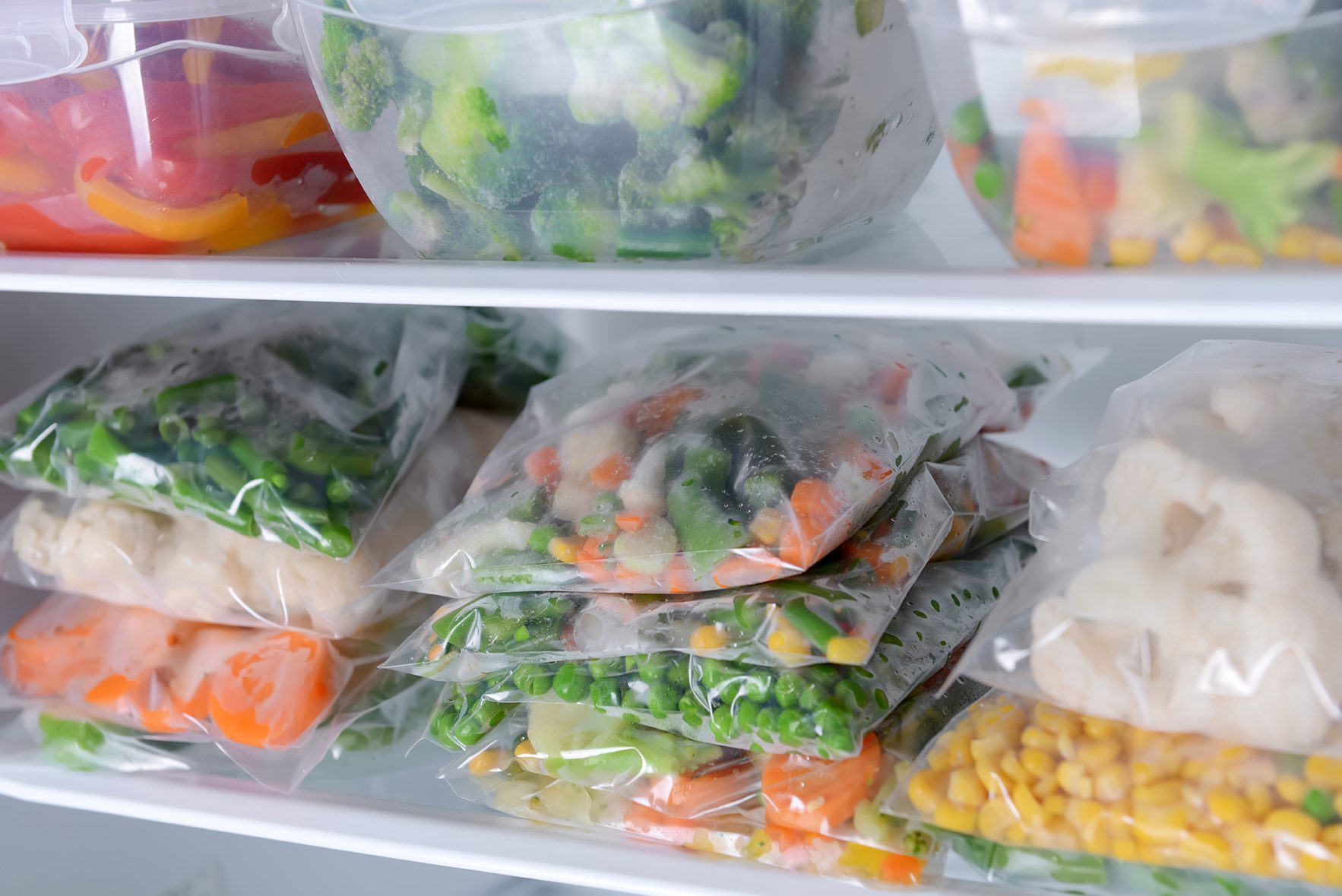
Advanced Freezing and Thawing Techniques, Revolutionizing Food Preservation in 2025. In the ever-evolving food processing industry, advanced freezing and thawing techniques have emerged as vital tools for ensuring food safety, quality, and shelf life.
These technologies go beyond traditional methods by using scientific principles and high-tech systems to preserve texture, flavor, and nutrition. As consumer demand for high-quality frozen foods increases, so does the importance of mastering these modern preservation strategies.
We explores the latest innovations in freezing and thawing, their benefits, applications, and key tips for optimal results.

Why Freezing and Thawing Matter in Food Processing
Freezing slows down microbial activity and enzymatic changes that lead to food spoilage. Thawing, on the other hand, must be controlled to maintain product integrity. Improper freezing or thawing can cause ice crystal damage, texture loss, or nutrient degradation.
Advanced freezing and thawing techniques aim to minimize these issues through precision, speed, and innovation, especially for sensitive products like seafood, meat, fruits, and ready-to-eat meals.
Maybe you are interested: High Pressure Processing Technology: A Breakthrough in Modern Food Safety and Freshness
Key Innovations in Freezing Techniques
1. Cryogenic Freezing
Cryogenic freezing uses extremely cold gases, such as liquid nitrogen (-196°C) or carbon dioxide, to freeze food almost instantly. This method is known for:
- Preserving texture due to rapid ice crystal formation.
- Ideal for high-value items like premium seafood and delicate baked goods.
- High energy costs, but excellent for quality preservation.
2. Individually Quick Frozen (IQF) Technology
IQF involves freezing items individually, such as berries or shrimp, using cold air blasts or tunnels. Key advantages include:
- Prevents clumping, ideal for portion control.
- Retains original shape, taste, and color.
- Commonly used for fruits, vegetables, and small proteins.
3. Pressure-Shift Freezing (PSF)
PSF freezes food under high pressure (over 200 MPa), then rapidly releases it, allowing for supercooled uniform freezing:
- Smaller, more uniform ice crystals reduce cellular damage.
- Ideal for premium meat and ready-meal components.
- Still an emerging technology with growing commercial use.
4. Electromagnetic Freezing
This method uses magnetic fields or oscillating electric fields during freezing to control ice nucleation and reduce crystal growth:
- Enhances freeze uniformity.
- Maintains better texture in sensitive foods.
- Mostly used in R&D and high-end food labs.
Emerging Thawing Techniques for Better Results
Thawing is often overlooked but is just as crucial as freezing. Rapid, uneven, or improper thawing can spoil food or increase microbial risks.
1. Microwave Thawing
Microwave thawing uses controlled electromagnetic waves for fast defrosting:
- Suitable for industrial-scale batch thawing.
- Quick but can cause uneven heating if not managed properly.
- Best for precooked meals or bakery products.
2. High-Pressure Thawing (HPT)
This newer method applies high pressure (100–300 MPa) to defrost food while keeping it cold:
- Thaws without raising temperature above microbial danger zones.
- Reduces thawing time dramatically (by up to 90%).
- Ideal for seafood and high-end meats.
Maybe you are interested: Top Minimalist Bathroom Ideas for 2025: Clean, Calm, and Clever Design
3. Ohmic Heating
Ohmic thawing uses electric currents passing through the food to generate internal heat uniformly:
- Very fast and efficient.
- Minimal texture damage.
- Best suited for homogeneous food products like sauces or soups.

4. Ultrasound-Assisted Thawing
This technique uses ultrasonic waves to accelerate thawing through vibration and cavitation:
- Non-destructive, enhances texture and water retention.
- Mostly in experimental and niche markets.
- Shows promise for delicate proteins.
Benefits of Advanced Freezing and Thawing
- Better Food Quality: Maintains original texture, taste, and appearance.
- Nutrient Retention: Minimizes degradation of vitamins and proteins.
- Microbial Safety: Limits microbial activity and risk during thawing.
- Energy Efficiency: Some modern systems are more sustainable than traditional methods.
- Extended Shelf Life: Helps in global distribution without quality compromise.
Applications in the Food Industry
- Meat and Poultry: High-pressure freezing and thawing reduce drip loss and maintain juiciness.
- Seafood: Cryogenic and ultrasound-based methods are preferred for texture-sensitive items.
- Fruits and Vegetables: IQF remains the gold standard.
- Ready Meals: Microwaves and ohmic systems improve thawing consistency and reduce prep time.
- Bakery Products: Cryogenic methods preserve fluffiness and structure.
Tips for Optimal Freezing and Thawing
- Freeze Quickly, Thaw Slowly: Rapid freezing preserves texture, but controlled thawing avoids microbial risks.
- Use Uniform Packaging: Ensures even freezing and thawing throughout the product.
- Monitor Temperature Closely: Avoid fluctuating temperatures during storage or transportation.
- Choose the Right Tech for the Product: High-value items deserve high-tech methods; bulk items may do well with IQF or blast freezing.
- Train Staff: Proper equipment use and handling techniques ensure food safety and consistency.
Final Thoughts
The demand for high-quality frozen foods is growing, and advanced freezing and thawing techniques are at the heart of this evolution. From cryogenic precision to pressure-driven efficiency, these innovations are changing how the world processes, stores, and consumes food. Whether you’re a food technologist, manufacturer, or curious consumer, understanding these technologies is essential for embracing the future of food.
By staying informed and adopting the right systems, businesses can deliver better products, reduce waste, and increase consumer satisfaction—one frozen bite at a time.
Maybe you are interested: Success Story of a Culinary UMKM: From a Small Kitchen to Hundreds of Millions in Turnover

:max_bytes(150000):strip_icc()/092925-Best-Milan-Looks-SOC-40c5362a97b04e8c9d38e42ed9372ed1.jpg?w=300&resize=300,300&ssl=1 "Milan Fashion Week 2026: Best Street Style & Layering Trends")


More Stories
Best Budget Webcams 2026: 1080p Streaming Under $50
Best Webcams for Streaming 2026: AI Tracking & 4K Favorites
Guadalajara World Cup 2026: Security Updates and Travel Safety