

:max_bytes(150000):strip_icc()/092925-Best-Milan-Looks-SOC-40c5362a97b04e8c9d38e42ed9372ed1.jpg?w=150&resize=150,150&ssl=1 "Milan Fashion Week 2026: Best Street Style & Layering Trends")


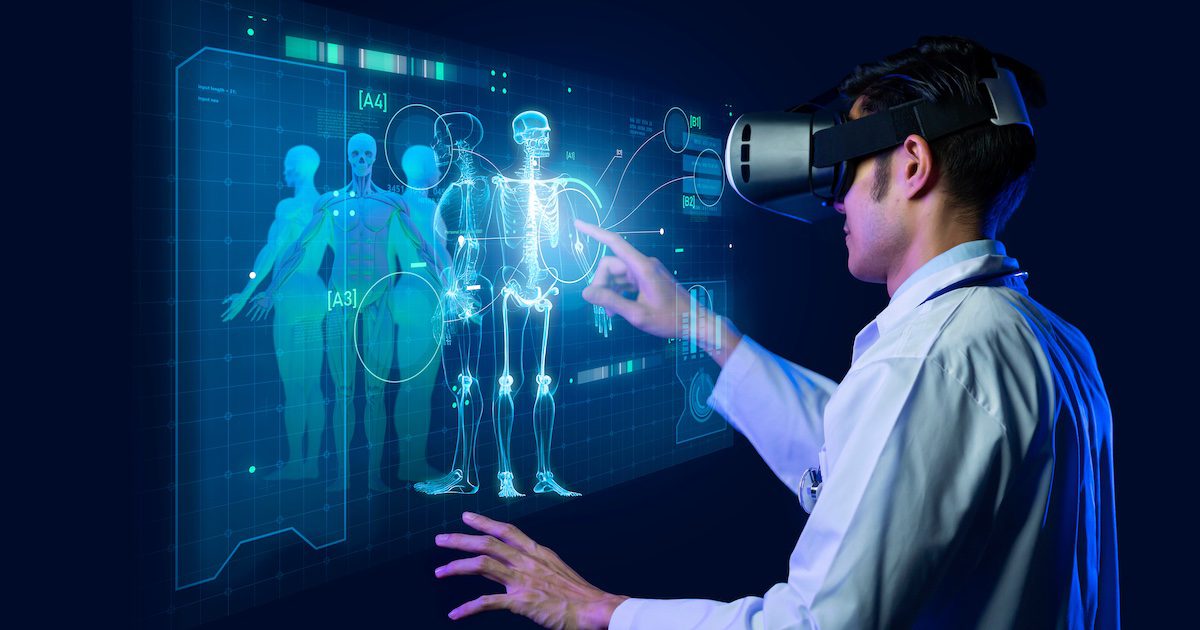
AI Technology Transforming Healthcare in Real Time. The healthcare landscape is undergoing a seismic transformation. At the heart of this revolution is artificial intelligence—an enigmatic force reshaping diagnostics, treatment, patient care, and operational efficiency. What was once a distant possibility is now unfolding in real time, offering unprecedented precision, speed, and personalization in medical practice.
This sweeping evolution isn’t just about automation; it embodies a profound paradigm shift in how human health is understood, monitored, and enhanced. AI technology is steadily becoming an indispensable partner in the fight against diseases, the management of chronic conditions, and the optimization of healthcare resources.
It is democratizing access to medical expertise and pushing the boundaries of what modern medicine can achieve.
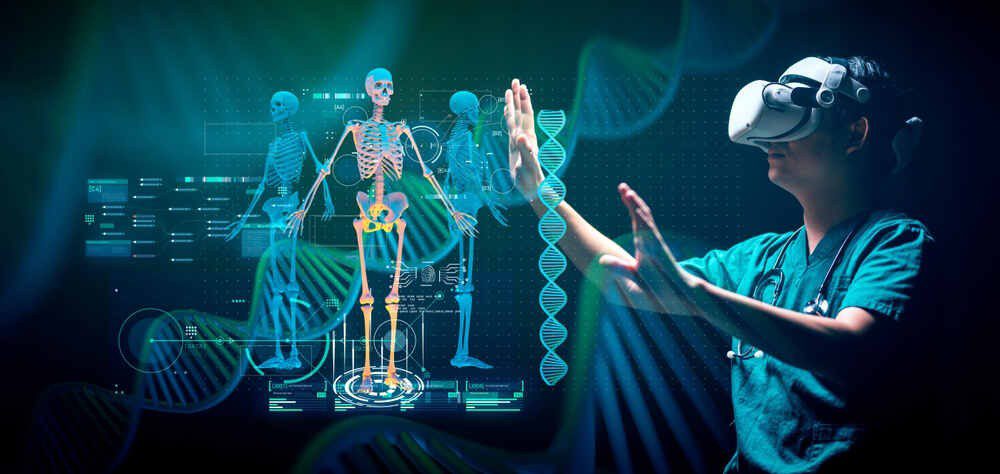
The Dawn of Real-Time Healthcare AI
In the annals of medical history, the integration of artificial intelligence marks a watershed moment. Machine learning algorithms and deep neural networks have begun decoding complex patterns in medical data with a finesse unmatched by traditional methods. From radiology scans to genetic sequences, AI dissects volumes of data instantaneously, translating them into actionable insights.
This real-time capability enables early diagnosis, swift intervention, and tailored treatment plans—each element critical to improving patient outcomes. For example, AI-powered diagnostic tools can analyze medical images within seconds, identifying malignancies or abnormalities that might elude the human eye. In emergency care, AI assists clinicians by prioritizing cases based on severity, ensuring resources are allocated efficiently.
Maybe you are interested: AI Technology Revolutionizing Everyday Life Today
Precision Medicine: Unlocking Potential with AI Technology Innovations
One of the most groundbreaking advancements is the rise of precision medicine. Rather than adopting a one-size-fits-all approach, AI facilitates individualized healthcare based on a patient’s genetic makeup, lifestyle, and environmental factors. This bespoke method promises to maximize efficacy while minimizing adverse effects.
Unlocking Potential with AI Technology Innovations in genomics has made it possible to sequence entire genomes rapidly and interpret their clinical relevance. AI algorithms sift through terabytes of genomic data to identify mutations linked to diseases, enabling targeted therapies especially in oncology. For instance, patients with specific genetic profiles can receive drugs tailored to their cancer subtype, improving survival rates.
Moreover, AI supports drug discovery by predicting molecular interactions and potential side effects, dramatically shortening the development timeline. This revolution in pharmaceuticals underscores how AI isn’t confined to diagnostics but is instrumental across the healthcare continuum.
AI Technology Trends That Will Dominate This Year in Healthcare
The current year is witnessing an acceleration of specific AI trends poised to redefine healthcare delivery. Among the most prominent are:
- AI-Augmented Imaging: Beyond conventional imaging, AI algorithms enhance resolution and contrast, enabling the detection of subtle pathologies. This trend empowers radiologists to make more accurate and faster diagnoses.
- Wearable AI Devices: The proliferation of intelligent wearables continuously monitors vital signs, glucose levels, or cardiac rhythms. Coupled with AI analytics, these devices alert patients and physicians to anomalies in real time, enabling proactive interventions.
- Natural Language Processing (NLP) in Medical Records: AI-powered NLP tools are revolutionizing the extraction of critical information from unstructured clinical notes. This trend boosts clinical decision-making by synthesizing patient history, lab results, and treatment responses.
- Telemedicine with AI Assistance: Virtual consultations enhanced with AI chatbots and diagnostic tools improve accessibility, especially in underserved regions. This fusion of technology ensures patients receive timely advice without physical visits.
- Predictive Analytics for Population Health: AI models predict disease outbreaks and patient admission rates, assisting health systems in resource allocation and preventive strategies.
These trends collectively illustrate a future where AI integrates seamlessly into clinical workflows, enhancing both care quality and operational efficiency.
The Power of AI Technology in Creative Industries: Lessons for Healthcare Innovation
Interestingly, parallels can be drawn between the healthcare AI revolution and The Power of AI Technology in Creative Industries. Both domains rely on the ability of AI to process vast, complex datasets and generate novel insights or creations.
In creative fields such as music, art, and design, AI algorithms analyze patterns to compose original pieces or enhance human creativity. Similarly, in healthcare, AI “composes” individualized care plans or interprets multi-dimensional biological data to innovate treatments.
This crossover highlights AI’s unparalleled capacity to transcend traditional boundaries, blending data science with intuition. Healthcare professionals now collaborate with AI not just as tools but as co-creators in treatment and research—ushering a new era of synergy between human expertise and machine intelligence.
Transforming Patient Care: Real-Time Monitoring and Intervention
AI’s real-time processing capabilities have revolutionized patient monitoring, enabling continuous assessment beyond hospital walls. Remote monitoring platforms, embedded with AI, collect streams of physiological data, feeding it into predictive models that detect early signs of deterioration.
For example, in intensive care units (ICUs), AI analyzes patient vitals to predict complications such as sepsis hours before clinical symptoms manifest, allowing preemptive action. At home, patients with chronic illnesses benefit from smart devices that alert healthcare providers upon detecting dangerous fluctuations, reducing hospital readmissions.
These innovations epitomize the shift towards proactive, rather than reactive, medicine—a fundamental reorientation enabled by AI’s instantaneous data interpretation.

How AI Technology Is Changing Education Forever in Healthcare Training
The impact of AI transcends patient care; it is How AI Technology Is Changing Education Forever, particularly in medical education and training. Virtual reality (VR) and augmented reality (AR), powered by AI, simulate complex surgical procedures or clinical scenarios with astonishing realism. Medical students and professionals can now engage in immersive, risk-free practice environments, enhancing skills and confidence.
Furthermore, AI-driven personalized learning platforms tailor content to learners’ strengths and weaknesses, optimizing knowledge retention. Adaptive assessments provide real-time feedback, accelerating mastery of medical concepts.
These educational advancements promise to produce healthcare practitioners better equipped to leverage AI tools, creating a virtuous cycle where technology elevates both learning and practice.
Ethical and Regulatory Challenges: Navigating the AI Healthcare Frontier
As AI permeates healthcare, ethical considerations become paramount. Issues of data privacy, informed consent, algorithmic transparency, and bias must be vigilantly addressed. AI systems trained on non-representative data risk perpetuating health disparities, necessitating rigorous validation and oversight.
Regulatory bodies worldwide are grappling with frameworks to balance innovation with patient safety. Ensuring accountability when AI-driven decisions impact lives requires collaboration between technologists, clinicians, ethicists, and policymakers.
Transparency in AI algorithms—allowing clinicians to understand and trust machine recommendations—is critical to adoption. Moreover, safeguarding patient autonomy and confidentiality remains an unwavering priority.
Navigating these complexities is essential to fully harness the benefits of AI in healthcare without compromising ethical standards.
AI-Driven Research and Clinical Trials: Accelerating Medical Discovery
AI technology expedites the research cycle by automating data analysis and hypothesis generation. Clinical trials benefit from AI-powered patient recruitment by identifying suitable candidates faster and ensuring diverse representation. AI models predict drug efficacy and side effect profiles, enhancing trial design and reducing attrition.
Additionally, AI facilitates real-time monitoring of trial participants, ensuring compliance and safety. This integration streamlines the path from bench to bedside, shortening timelines for bringing novel therapies to patients.
The synergy between AI and medical research heralds an era where discovery is more efficient, personalized, and impactful.
Real-World Applications: AI Transforming Healthcare Across the Globe
Around the world, AI’s footprint in healthcare is expanding. In resource-limited settings, AI-powered diagnostic apps enable frontline workers to detect diseases such as tuberculosis or malaria with minimal infrastructure. This democratization of expertise bridges gaps in global health equity.
In high-income countries, AI augments specialists by enhancing diagnostic accuracy in complex fields like pathology and oncology. Radiologists employ AI to highlight suspicious lesions, reducing oversight errors.
Pharmacies use AI to optimize inventory and predict medication shortages, while hospitals utilize predictive analytics to manage bed capacity during pandemics.
These real-world applications demonstrate AI’s versatility, adaptability, and profound potential to revolutionize healthcare systems of varying scales and complexities.
The Future Outlook: Integrating AI into Holistic Healthcare Ecosystems
The trajectory of AI in healthcare points toward increasingly integrated ecosystems where data from electronic health records, genomics, wearables, and environmental sensors converge. AI will serve as the nexus that synthesizes this data, offering clinicians a panoramic, real-time view of patient health.
Interdisciplinary collaborations will foster innovations that transcend individual specialties. Personalized, anticipatory, and participatory medicine—where patients engage actively with AI tools managing their health—will become the norm.
Moreover, AI’s role will expand beyond clinical settings into public health, epidemiology, and health policy, shaping interventions on a population scale.
Maybe you are interested: Exploring IoT Applications in the Food Industry: Innovations, Benefits, and Future Trends
Conclusion: Embracing the AI Revolution in Healthcare
The real-time transformation of healthcare through AI technology signals a profound evolution in medicine’s capability to understand and heal the human body. With Unlocking Potential with AI Technology Innovations, healthcare moves toward precision, efficiency, and accessibility previously unattainable.
Recognizing AI Technology Trends That Will Dominate This Year equips stakeholders to anticipate and harness emerging opportunities. Drawing inspiration from The Power of AI Technology in Creative Industries reveals the boundless creative synergy possible between humans and machines. Appreciating How AI Technology Is Changing Education Forever ensures that the next generation of healthcare professionals are adept in this AI-augmented landscape.
The journey is complex, replete with ethical quandaries and regulatory challenges. Yet, the promise of AI to transform lives, improve outcomes, and democratize health knowledge compels continued exploration and innovation.
As AI technology continues to weave itself into the fabric of healthcare, embracing this revolution with insight and responsibility will define the future of medicine and wellness.

:max_bytes(150000):strip_icc()/092925-Best-Milan-Looks-SOC-40c5362a97b04e8c9d38e42ed9372ed1.jpg?w=300&resize=300,300&ssl=1 "Milan Fashion Week 2026: Best Street Style & Layering Trends")


More Stories
Best Budget Webcams 2026: 1080p Streaming Under $50
Best Webcams for Streaming 2026: AI Tracking & 4K Favorites
Guadalajara World Cup 2026: Security Updates and Travel Safety