

:max_bytes(150000):strip_icc()/092925-Best-Milan-Looks-SOC-40c5362a97b04e8c9d38e42ed9372ed1.jpg?w=150&resize=150,150&ssl=1 "Milan Fashion Week 2026: Best Street Style & Layering Trends")


How AI and IoT Power Modern Intelligent Packaging Now. In a hyper-connected world where immediacy, transparency, and security are not just expectations but imperatives, packaging has evolved from inert wrap to intelligent ecosystem.
Traditional packaging—passive, silent, static—has given way to a new breed: dynamic, communicative, and data-driven. This transformation is not the result of chance. It’s the direct consequence of the fusion of Artificial Intelligence (AI) and the Internet of Things (IoT).
Together, these technologies are reshaping how products are protected, tracked, and delivered, giving rise to packaging that thinks, senses, responds—and even predicts. As industries strive to optimize efficiency and ensure product integrity, a pivotal revolution is unfolding.
This is how AI and IoT power modern intelligent packaging tech—and why it’s redefining the limits of supply chain intelligence, sustainability, and consumer engagement in real time.
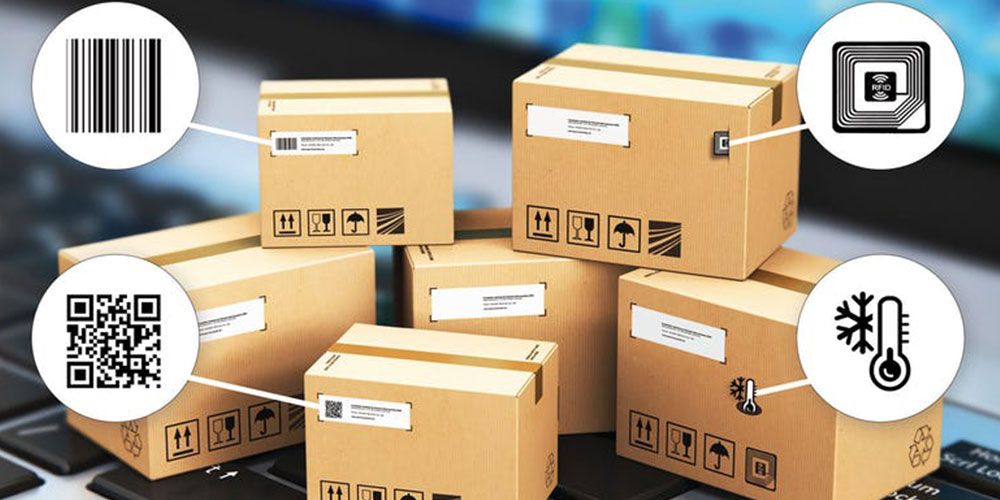
From Boxes to Brains: The Rise of Intelligent Packaging
Gone are the days when packaging was merely an afterthought—a container for transport. In today’s digital economy, packaging is an interface, an informant, and a safeguard. Intelligent packaging systems integrate sensors, microprocessors, wireless communication modules, and cloud connectivity to enable real-time monitoring, condition sensing, and data transmission.
Whether tracking a vaccine’s temperature across continents or verifying the authenticity of luxury goods, intelligent packaging now serves as a digital proxy for the product itself.
And behind this cognitive leap lies the symbiosis of AI and IoT.
Maybe you are interested: How Intelligent Packaging Enhances Product Safety Fast
IoT: The Nervous System of Smart Packaging
IoT breathes life into packaging. Through a constellation of connected sensors—temperature, humidity, vibration, light, and motion—IoT devices embedded in packaging continuously capture environmental and logistical data.
This network of intelligent packages forms an agile nervous system, pulsing with information and transmitting vital signals through cloud platforms. Packages become data nodes. Each shipment, a sentient entity.
With RFID, GPS, NFC, and BLE technologies, IoT-enabled packaging ensures that every box, bottle, or blister pack can be seen, tracked, and verified from source to shelf.
This interconnectedness drives smarter supply chains with AI and IoT packaging systems, giving stakeholders granular visibility into product conditions, movement, and integrity.
AI: The Brain Behind the Insights
But sensing is only part of the story. Interpretation is where the magic happens.
AI takes the oceans of data harvested by IoT and turns them into actionable insights. Through machine learning algorithms, pattern recognition, and predictive modeling, AI detects anomalies, forecasts risks, and makes real-time decisions.
For example, when a shipment of insulin veers into a high-temperature zone, the IoT sensor flags the event. But AI interprets its severity, correlates it with risk thresholds, and can trigger dynamic rerouting or automated alerts to prevent product spoilage.
It’s this synthesis of sensing and thinking that defines how AI and IoT power modern intelligent packaging tech—enabling real-time response instead of post-event reaction.
End-to-End Visibility: The New Standard
Supply chains were once linear, often opaque. Products vanished into black-box logistics networks, only to reappear at their destination—sometimes compromised, sometimes counterfeit.
Today, AI and IoT redefine supply chain transparency. Every handoff, every temperature fluctuation, every mile traveled is recorded and assessed. Logistics becomes luminous.
This constant stream of data helps companies identify weak links, optimize routes, and reduce waste. Stakeholders gain unprecedented visibility, while AI delivers intelligent recommendations on improving operations.
The result is smarter supply chains with AI and IoT packaging systems, where accountability is built into every package.
Predictive Quality Assurance
Intelligent packaging doesn’t just report past events—it predicts future outcomes.
By analyzing historical sensor data, environmental patterns, and logistics variables, AI algorithms can anticipate conditions that may lead to product degradation or failure. This empowers manufacturers and distributors to intervene before issues arise.
For perishable goods—such as biologics, fresh produce, or temperature-sensitive pharmaceuticals—predictive quality assurance is a game-changer. It reduces spoilage, mitigates recalls, and enhances product trust.
With predictive insights built into packaging, the cost of uncertainty plummets, and the assurance of safety skyrockets.
Adaptive Packaging: Context-Aware, Real-Time Response
The next frontier is packaging that adapts to its environment. Using AI in conjunction with IoT, packaging systems can autonomously respond to changing conditions.
Imagine a carton of vaccines that automatically activates an internal cooling mechanism when ambient temperatures rise. Or a shipment of electronics that deploys vibration dampening protocols when it detects high-impact movement.
These real-time, context-aware systems illustrate how AI and IoT power modern packaging breakthroughs—where adaptability is no longer optional but intrinsic.
Consumer Engagement in the Age of Smart Packaging
It’s not just supply chains benefiting from intelligent packaging. Consumers, too, are engaging with products in unprecedented ways.
Smart packaging can link directly to a consumer’s smartphone, offering tailored information—dosage reminders, sustainability insights, or authentication checks. With NFC chips or QR codes, the product tells a story: where it came from, how it was handled, and whether it’s genuine.
AI personalizes this experience further. Based on user interactions, the system can offer relevant content or alerts, deepening brand connection and trust.
This convergence of utility and UX proves that the future is smart with AI and IoT packaging systems, not only operationally, but experientially.
Combatting Counterfeits with Digital Intelligence
Counterfeiting is a pervasive issue, especially in high-value industries such as pharmaceuticals, electronics, and luxury goods. Intelligent packaging offers a multilayered defense.
Through unique digital identifiers, blockchain integration, and tamper-evident sensors, packages become virtually impossible to replicate undetected. Consumers and retailers can verify authenticity with a scan, while AI algorithms flag suspicious distribution patterns or duplicate serial numbers.
This multi-sensor, AI-backed armor gives brands new weapons in the fight against fraud, while restoring consumer confidence in the authenticity of what they purchase.

Sustainability Through Intelligence
Sustainability and technology once seemed at odds. But with AI and IoT, the intelligent packaging revolution is also becoming a green revolution.
Smart packaging minimizes waste by ensuring products are shipped and stored under optimal conditions, reducing spoilage. Dynamic routing reduces fuel consumption. Reusable IoT devices replace single-use packaging.
AI also helps in designing optimized packaging with fewer materials, guided by data-driven insights into shipping routes, stacking pressures, and shelf conditions.
Thus, how AI and IoT power modern packaging breakthroughs isn’t just about performance—it’s about planet-first innovation.
Real-World Applications: Industry Use Cases
1. Pharmaceuticals and Cold Chain Logistics
Leading pharma firms are deploying smart labels with real-time temperature sensors to monitor vaccine integrity. AI analyzes these metrics to adjust storage environments or initiate urgent deliveries. When every degree matters, intelligent packaging saves lives.
2. Food and Beverage
Perishable goods now arrive with freshness indicators that track exposure to heat, light, and time. AI systems predict shelf life and recommend priority sales or returns, reducing food waste across supply chains.
3. Luxury Goods and Consumer Electronics
Luxury handbags and high-end smartphones ship with embedded NFC tags tied to blockchain ledgers. Scanning these tags validates provenance, ensures chain-of-custody, and assures discerning consumers that their investment is genuine.
Each of these showcases how AI and IoT power modern intelligent packaging tech across sectors—solving age-old challenges with modern intelligence.
Challenges and Considerations
No revolution arrives without friction.
1. Data Security
As smart packaging becomes a data-rich medium, ensuring the security of this information is paramount. Encrypted communication, secure cloud storage, and compliance with data privacy regulations are essential.
2. Cost and Scalability
Embedding sensors and processors into every unit can be costly. However, as technology matures and becomes more affordable, economies of scale are expected to make intelligent packaging accessible across markets.
3. Standardization
With diverse stakeholders—manufacturers, logistics firms, retailers, and consumers—alignment on communication protocols and data formats is necessary to ensure seamless integration and interoperability.
Yet despite these hurdles, the momentum is unstoppable. Because the future is smart with AI and IoT packaging systems, and the market demands nothing less.
Emerging Trends in AI + IoT Packaging
- Edge Computing: Instead of sending all data to the cloud, some smart packaging systems now process information at the device level for faster insights and offline functionality.
- Self-Healing Materials: Experimental packaging materials embedded with nano-sensors can detect micro-damage and autonomously trigger repairs.
- Energy Harvesting: Future smart packages may generate their own power from light, motion, or temperature differentials—eliminating batteries and reducing waste.
- Augmented Reality: Smart packaging integrates AR layers to offer immersive brand experiences, product tutorials, or assembly instructions directly through a consumer’s smartphone camera.
Each advancement reinforces how AI and IoT power modern packaging breakthroughs, carving a path to smarter, more sustainable commerce.
Maybe you are interested: Healthy Dinner Ideas That Are Ready in Under 30 Minutes
Looking Ahead: Intelligent Packaging as the Norm
The convergence of AI and IoT has changed the very DNA of packaging. What was once static is now sentient. What was once simple is now strategic.
Industries that embrace this evolution are gaining more than operational efficiency—they’re building trust, enhancing safety, and future-proofing their value chains.
In the near future, the idea of a “dumb box” will seem as archaic as a landline in a smartphone world. Because packaging is no longer just a protective shell—it’s an intelligent interface between product, process, and people.
Ultimately, smarter supply chains with AI and IoT packaging systems will become the backbone of a more agile, transparent, and resilient global economy.
How AI and IoT power modern intelligent packaging tech is not a speculative concept—it’s the new operational baseline. As these technologies mature, intelligent packaging will become not just smarter, but indispensable.
And with it, industries will move faster. Waste less. Know more.
Because in the era of intelligent packaging, the box doesn’t just carry the product.
It carries the future.

:max_bytes(150000):strip_icc()/092925-Best-Milan-Looks-SOC-40c5362a97b04e8c9d38e42ed9372ed1.jpg?w=300&resize=300,300&ssl=1 "Milan Fashion Week 2026: Best Street Style & Layering Trends")


More Stories
Best Budget Webcams 2026: 1080p Streaming Under $50
Best Webcams for Streaming 2026: AI Tracking & 4K Favorites
How to Fix Streaming Issues on the TV App: A Complete Guide