

:max_bytes(150000):strip_icc()/092925-Best-Milan-Looks-SOC-40c5362a97b04e8c9d38e42ed9372ed1.jpg?w=150&resize=150,150&ssl=1 "Milan Fashion Week 2026: Best Street Style & Layering Trends")


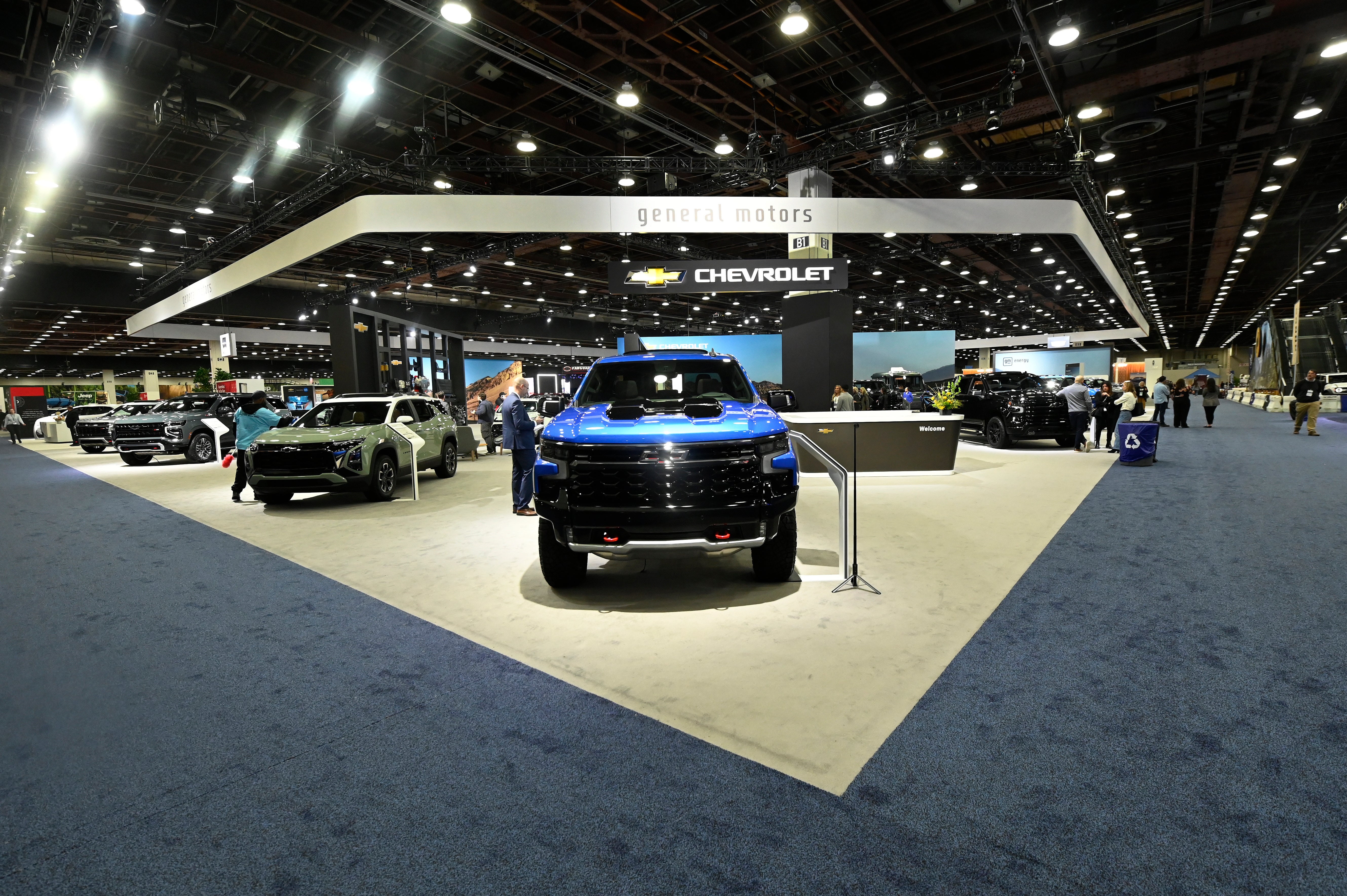
Top EV Innovations from the Detroit Auto Show 2026. The Detroit Auto Show 2026 has once again served as a major platform for automotive innovation — but amid global shifts in EV strategy and industry priorities, this year’s showcase offered a unique blend of electrification progress, deep tech development, and forward‑looking concepts.
While electric vehicles (EVs) may not have dominated the headlines as in years past, they remain a core part of the mobility landscape — and the innovations on display at the show offer a fascinating snapshot of where electrification is heading in the near future.
From advanced powertrain technologies and cutting‑edge components to concept vehicles that challenge convention, the 2026 Detroit Auto Show highlighted several standout EV innovations that matter for consumers, manufacturers, and the broader transportation ecosystem alike.
In this full guide, we’ll explore the top EV trends and breakthroughs revealed in Detroit — from hardware advancements and system integration to charging tech, autonomous features, and sustainability‑driven design.
Why EV Innovation Still Matters in 2026
Although some news coverage has suggested that EV prominence has dimmed at the Detroit Auto Show due to industry and policy shifts in the U.S., electrification remains a strategic priority for global automakers and technology partners.
Even in the face of changing regulations, reduced federal incentives, and short‑term market fluctuations, EV technologies continue to evolve — and the Detroit Auto Show remains an important stage for unveiling practical innovations that support long‑term EV adoption.
These innovations are not only about electric motors and batteries — they also span efficiency components, safety systems, connectivity platforms, and infrastructure‑related advancements. In other words, EV innovation is now part of a broader mobility ecosystem.
1. Electrification Components: Smarter, Lighter, More Efficient
One of the most exciting areas at the 2026 show wasn’t necessarily the vehicles themselves, but the components and systems that make EVs perform better.
a. Advanced Power Management and eAxles
At the AISIN exhibit, industry professionals highlighted new power management and energy optimization systems, including eAxles and integrated electrified powertrains designed to boost efficiency and vehicle handling.
These technologies are central to improving the energy consumption profile of EVs by reducing losses and managing torque distribution more intelligently. Smarter power electronics and optimized motor control systems allow EVs to deliver smoother acceleration and better overall range performance without a significant increase in battery size or cost.
For consumers, that means EVs that feel more responsive and efficient in daily driving — a crucial step toward wider usability.
b. Integrated Cooling and Aerodynamic Solutions
Battery and motor cooling remains one of the biggest challenges in high‑performance and long‑range electric vehicles. At the show, components such as consolidated cooling modules, which combine pumps and heat valves into a single unit, demonstrated how manufacturers are tackling this problem with compact, space‑saving designs that reduce complexity and weight.
The result is a system that can manage thermal loads more effectively — allowing EVs to handle heavy use, such as fast charging and high‑speed travel, without overheating or compromising battery longevity.
c. Aerodynamic Enhancements for Efficiency
Another key innovation in EV design showcased in Detroit involved active aerodynamics, such as front spoilers and grille shutters that adjust to reduce drag when extra cooling is not needed.
Because EV range is closely tied to aerodynamic drag at highway speeds, these innovations help electric cars travel farther on the same amount of stored energy — a crucial advancement as consumers look for practical, everyday range in EV ownership.
2. Electric Vehicle Platforms and Concept Models
While specific production volumes and market emphasis may vary year to year, the technology under the hood of EVs continues to be a source of innovation and experimentation at the Detroit Auto Show.
a. Cadillac Elevated Velocity Concept
One of the most buzzed‑about EV innovations at the 2026 show was the Cadillac Elevated Velocity Concept, an all‑electric and autonomous‑capable vehicle that combines bold design with advanced propulsion and sensory systems.
This concept won the Best Concept Vehicle award from the EyesOn Design committee, underscoring its significance in both aesthetic and technological terms.
The Elevated Velocity represents a glimpse of future mobility where electric power, autonomy, and premium design intersect — pushing manufacturers to think creatively about how EVs can be both performance machines and autonomous living spaces.
b. Urban Autonomous Shuttles and Shared Mobility
Also showcased was an urban autonomous shuttle prototype, an EV designed for shared mobility and public transit usage. This Level 4 autonomous vehicle prototype is built to operate within geofenced areas and offers accessible design for all passengers.
These types of vehicles hint at future applications of EV technology beyond private cars — including public transit solutions that reduce congestion, emissions, and dependence on traditional combustion‑engine buses.
3. Charging Innovations and Infrastructure Improvements
Charging infrastructure remains one of the most visible barriers to broader EV adoption. The Detroit Auto Show highlighted innovations that aim to make charging faster, smarter, and more reliable.
a. Next‑Generation Chargers
New EV charging technologies displayed at the show include high‑power DC fast chargers capable of delivering consistent energy transfer while minimizing battery stress. Although lower than some top global figures, 150 kW chargers — like those integrated into models such as the second‑generation Chevrolet Bolt platform — represent real‑world performance improvements that support daily use.
These chargers aim to reduce the time spent waiting for a charge — a critical factor in consumer confidence and practical long‑distance travel planning.
b. Charging Standard Integration
Another subtle but meaningful trend involves compatibility with emerging charging standards, including shifts toward unified connectors that improve interoperability between different charging networks.
As EV ecosystems mature, cross‑network compatibility will become increasingly important, eliminating confusion for drivers and fostering a more seamless charging experience — a benefit that both consumers and infrastructure providers value.
4. Software, Connectivity, and Safety Integration
EV innovation is not just mechanical — it’s increasingly digital. At the Detroit show, software systems were featured prominently as key components of the electric vehicle experience.
a. Advanced Driver Assistance Systems (ADAS)
Many EV models showcased sophisticated driver assistance and safety systems, ranging from adaptive cruise and lane‑keeping technologies to immersive digital interfaces that help drivers manage energy use, navigation, and vehicle controls more intelligently.
Such systems may also include multiple camera view modes and enhanced sensors, which provide added situational awareness during highway and urban driving.
b. Integrated Infotainment and Mobility Ecosystems
Infotainment systems in EVs now routinely combine vehicle data, navigation, charging station directories, and smart assistants — transforming the dashboard into a central hub for both driving and lifestyle integration.
EV makers are increasingly focusing on user experience (UX) and connectivity as key differentiators, helping electric cars feel more intuitive to drive and more aligned with modern digital expectations.
5. Safety and Visibility Innovations: The DarkSky One Concept
While not a production EV in the traditional sense, the DarkSky One Supercar concept brought an unusual but important innovation to Detroit’s EV discourse: light pollution reduction and adaptive lighting systems.
Designed by nonprofit DarkSky International, the DarkSky One challenges typical high‑intensity vehicle lighting norms by incorporating adaptive headlamps, lidar‑based illumination control, and polarized body panels that minimize glare and environmental light spill — enhancing both safety and environmental awareness.
Although this concept emphasizes nighttime visibility rather than pure performance, its presence at the show underscores how EV technologies and related innovations are branching into niche but meaningful areas — including safety, environmental impact, and human‑centric design.
6. EV Powertrain Variety: Hybrids and Electrified Systems
One trend evident at Detroit is that electrification isn’t limited to pure battery EVs. Hybrid powertrains, electrified systems, and plug‑in hybrids are also highlighted as transitional technologies that push EV innovation forward.
These systems help:
- Improve fuel efficiency
- Reduce emissions in everyday driving
- Offer consumers flexible options where charging infrastructure remains limited
While traditional full electric vehicles remain the long‑term goal for many cities and regulators, hybrid systems provide meaningful steps toward cleaner mobility — and they often incorporate EV tech like regenerative braking, electric torque support, and intelligent energy management systems.

7. EV Innovation Meets Accessibility and Mobility Equity
At the Mobility Global Forum — part of the Detroit Auto Show’s thought leadership programming — experts discussed how electrification ties into larger conversations about mobility equity, workforce development, and infrastructure accessibility.
EV innovation is not just technological; it’s also about:
- Ensuring charging access for underserved communities
- Educating future engineers and technicians
- Preparing the transportation workforce for electrification and autonomous systems
- Integrating EVs into urban and suburban planning
These broader dialogues reflect how EV innovation is not merely about vehicles, but also about how transportation systems evolve in society.
8. Sustainability and Materials Tech in EV Design
Electric vehicles are often associated with zero tailpipe emissions, but sustainability can extend inside the vehicle as well. At the Detroit show, some manufacturers highlighted eco‑friendly materials, production techniques, and recycling strategies to reduce the environmental footprint of EV construction.
From interior fabrics made with recycled content to manufacturing processes that reduce waste, these efforts speak to a more holistic approach to sustainability — one that looks beyond energy usage to lifecycle environmental impact.
9. Practical EV Innovations for Everyday Drivers
While concept vehicles and advanced electronics are exciting, some of the most meaningful innovations at the Detroit Auto Show 2026 were those designed to benefit everyday EV owners:
a. Range Improvements Through Efficiency
Optimized powertrains, smarter battery thermal systems, and streamlined cooling technologies all contribute to more consistent and useful driving range — a key factor in EV satisfaction.
b. Reliability and Performance at Scale
Innovations that improve battery longevity, enhance durability under repeated fast charging, and maintain consistent performance in different climates help make EVs more practical for a broader audience.
10. EV Trends Shaping the Next Decade
Several overarching trends emerged at the 2026 Detroit Auto Show that point to where EV innovation is heading in the years to come:
Electrification Is Becoming an Ecosystem
EV technology is no longer just about electrifying a powertrain — it’s about integrating energy systems, connectivity, digital services, safety tech, and manufacturing innovations into a unified whole.
Collaboration With Other Mobility Segments
Urban autonomous shuttles, shared mobility solutions, and EV support infrastructure demonstrate that electrification is part of a larger shift toward smarter, more connected transportation networks.
Consumer‑First Innovation
From improved range and performance to intuitive infotainment and safety systems, EV advancements are aligning more closely with what everyday drivers want and need — not just what’s technologically possible.
Conclusion: Detroit’s EV Innovations Point Toward a Balanced Future
The Detroit Auto Show 2026 offered a rich assortment of EV innovations — some flashy, some subtle, but all meaningful in their own ways. While industry dynamics and policy shifts may influence how aggressively automakers pursue electrification in the short term, the technologies and concepts showcased demonstrate that electric vehicle innovation is alive and evolving.
From advanced electrified powertrain components and efficient power management systems to charging advancements, safety technology, and mobility‑focused concepts, the show highlighted how EV innovation continues to shape the future of mobility.
Ultimately, the top EV innovations from Detroit in 2026 reflect not just the current state of electric vehicles, but the broader trends driving their future — a future that blends performance, sustainability, real‑world practicality, and inclusive mobility for all.

:max_bytes(150000):strip_icc()/092925-Best-Milan-Looks-SOC-40c5362a97b04e8c9d38e42ed9372ed1.jpg?w=300&resize=300,300&ssl=1 "Milan Fashion Week 2026: Best Street Style & Layering Trends")


More Stories
Guadalajara World Cup 2026: Security Updates and Travel Safety
El Mencho Captured: Details of the Special Forces Raid in Jalisco
How an Australian Planned a Wedding in Bali