

:max_bytes(150000):strip_icc()/092925-Best-Milan-Looks-SOC-40c5362a97b04e8c9d38e42ed9372ed1.jpg?w=150&resize=150,150&ssl=1 "Milan Fashion Week 2026: Best Street Style & Layering Trends")


Is Redbox Still in Business in 2026? In a world that’s constantly evolving, the business landscape is no stranger to disruption. Companies rise, dominate their sectors, and often fade away just as quickly, especially when their business models struggle to keep up with changing consumer demands and technological advancements.
One company that has long been a fixture in the entertainment rental industry is Redbox, which became synonymous with DVD and video game rentals through its signature kiosks found in convenience stores, grocery stores, and other public spaces.
But as the digital streaming revolution soared, many wondered: Is Redbox still in business in 2026? Can a company that once dominated the physical media rental market survive in the age of online streaming services like Netflix, Amazon Prime, and Disney+?
To understand what you need to know: Is Redbox still in business in 2026?, it’s important to first take a step back and look at the company’s origins, its rise to prominence, and how it’s adapted—or failed to adapt—to the rapidly shifting market.
The Rise of Redbox: From DVDs to Dominance
Founded in 2002, Redbox revolutionized the rental business by offering a convenient, automated alternative to traditional video rental stores. Instead of going to a Blockbuster or Hollywood Video, customers could rent movies directly from a kiosk located at a nearby convenience store or supermarket. With its bright red machines and user-friendly interface, Redbox was able to create a seamless, low-cost rental experience that appealed to a wide audience.
By 2005, the company had expanded into thousands of locations across the United States, offering DVD rentals at prices much lower than its competitors. At its peak, Redbox was a major player in the movie rental space, dominating the industry with more than 40,000 kiosks nationwide. Even as online streaming services started to gain momentum, Redbox remained a strong contender in the rental market, often offering the latest releases at a price point that streaming services couldn’t match.
However, as streaming platforms became increasingly popular, especially with the rise of platforms like Netflix and Hulu, the once-mighty Redbox began to feel the pressure. By the 2010s, consumers were shifting away from physical media in favor of digital content, and Redbox’s traditional business model, reliant on DVD and Blu-ray rentals, began to show cracks. The company faced mounting competition from digital streaming services that allowed viewers to access content anytime, anywhere, without the need for physical discs or returns.
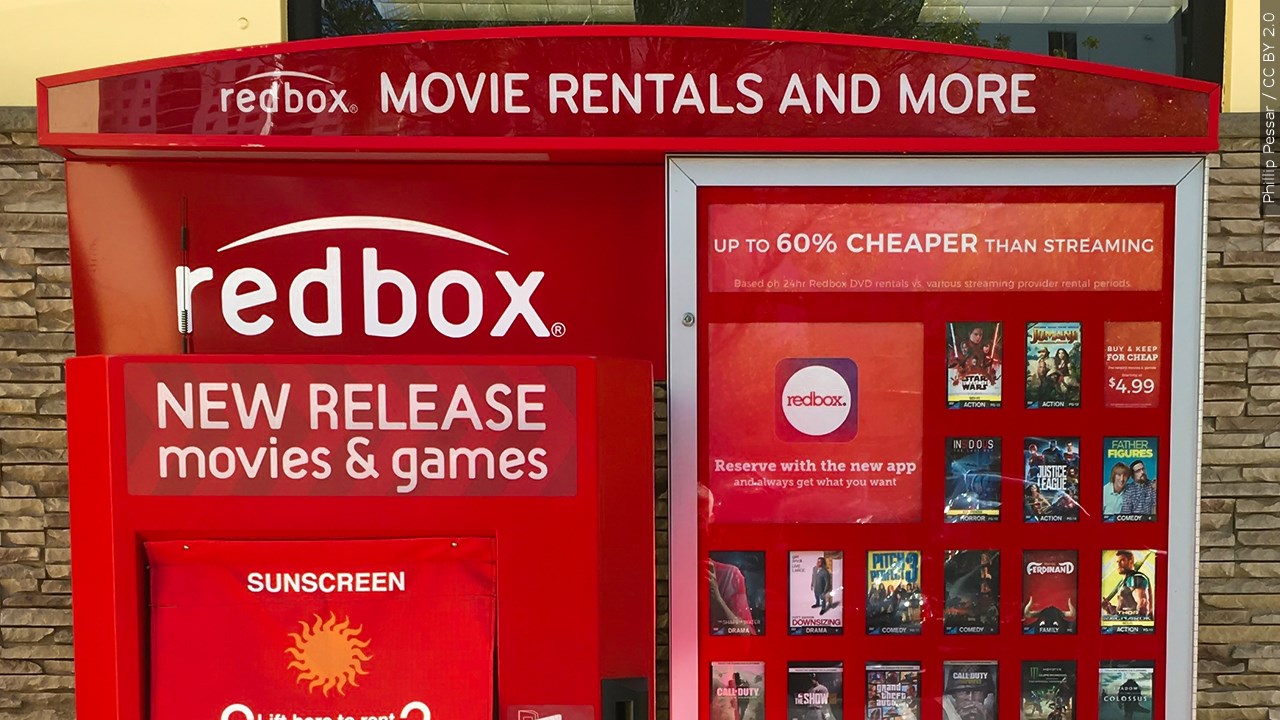
Is Redbox Still in Business in 2026? The Latest Updates
As the years passed, Redbox found itself facing a crucial question: Could it continue to operate successfully in a market that was increasingly turning away from physical media in favor of digital alternatives? The answer, as it stands in 2026, is a qualified yes. While Redbox has undergone a series of transformations in recent years, it remains in business, albeit in a much-changed form.
In the early 2020s, Redbox began to pivot away from its traditional DVD rental model and embrace digital streaming itself. This shift was part of an effort to capture the growing demand for digital content, especially in a world where streaming had become the dominant way to watch movies and TV shows. Redbox introduced a new streaming service, known as Redbox On Demand, which allowed customers to rent or purchase digital movies and TV shows without needing to visit a physical kiosk. By partnering with a variety of studios and content providers, Redbox was able to expand its digital offerings and reach a broader audience.
In addition to its digital platform, Redbox continued to maintain its iconic physical kiosks, though their role in the company’s overall business strategy has diminished significantly. These kiosks are now primarily focused on offering budget-conscious consumers access to recent DVD and Blu-ray titles, providing a more traditional rental experience that still appeals to those who prefer physical media over streaming.
Despite the shift to digital, Is Redbox Still in Business in 2026? the answer remains affirmative, but it’s a company that has had to redefine itself in order to stay relevant. The transition to digital streaming has helped the brand continue to operate in the modern media landscape, and its hybrid approach—blending physical and digital content—is a key part of the company’s strategy moving forward.
Is Redbox Still in Business in 2026? The Truth Revealed
When it comes to the truth behind Is Redbox still in business in 2026?, one cannot ignore the challenges the company has faced in the last few years. Though it has managed to adapt to the changing media consumption habits, its struggle for survival in a competitive market is far from over.
One of the most significant changes to Redbox’s model came with the rise of subscription-based streaming services. With Netflix, Amazon Prime, and Disney+ offering an all-you-can-watch buffet of content for a flat monthly fee, the traditional rental model became increasingly outdated. The pandemic also accelerated the shift toward digital consumption, as more people embraced streaming during lockdowns and social distancing measures.
For Redbox, these developments were a double-edged sword. On the one hand, streaming gave Redbox an opportunity to diversify its offerings through its Redbox On Demand service. On the other hand, it meant that fewer consumers were renting physical DVDs, which made up a large portion of Redbox’s revenue.
Additionally, competition in the digital streaming space became fiercer than ever. While Redbox entered the digital arena later than some of its competitors, it has worked hard to carve out its niche. In recent years, Redbox has made key partnerships with big-name studios like Universal Pictures and Lionsgate, which allowed it to offer exclusive releases for streaming and digital rentals. The ability to offer titles that were unavailable on other streaming platforms was seen as a major selling point for Redbox, drawing in customers who wanted to access content before it hit subscription-based services.
That being said, the truth revealed is that Redbox is no longer the media giant it once was. The company’s physical rental kiosks still hold some nostalgic value, and they continue to operate in select locations, but the shift to digital streaming has been necessary to ensure Redbox’s survival. Redbox remains a viable player in the rental space, but it’s no longer the dominant force it once was.
The Impact of Streaming Services on Redbox’s Future
To understand what’s next for Redbox? Is it still in business in 2026?, it’s important to look at the broader trends in the entertainment and media industries. The proliferation of streaming services has fundamentally changed how people consume content, and Redbox has had to adapt accordingly.
Today, streaming platforms dominate the entertainment industry. Major players like Netflix, Hulu, Disney+, and Amazon Prime offer vast libraries of content at affordable prices. For many consumers, these services have replaced the need for renting DVDs or Blu-rays, making physical media all but obsolete. Even newer players in the streaming space, such as Apple TV+ and HBO Max, have carved out significant portions of the market.
However, Redbox still has a foothold, particularly in the budget-conscious market. While streaming services offer convenience and variety, Redbox appeals to those who are looking for specific movies or who prefer a more transactional experience without committing to a subscription. Furthermore, Redbox’s partnerships with major movie studios give it a unique advantage when it comes to offering the latest blockbuster hits.
The future of Redbox in 2026 and beyond will likely depend on how effectively it can continue to evolve and offer a unique value proposition to its customers. The company may find new ways to leverage its physical kiosks, offering a combination of in-store pick-up and digital streaming, which could appeal to consumers who prefer the immediacy of a kiosk but also want the option to stream content. Moreover, Redbox’s competitive edge could lie in its ability to offer exclusive rental access to new releases, a strategy that could help it stand out in a crowded digital marketplace.
What’s Next for Redbox? Is It Still in Business in 2026?
In 2026, Redbox will continue to exist as a hybrid company offering both physical rentals and digital content. What’s next for Redbox? Likely, it will continue to build its presence in the on-demand streaming space while retaining its stronghold in physical media rentals. With an increasingly digital-savvy consumer base, the company may also delve into areas like live streaming or integrating its services with other platforms to offer a more comprehensive entertainment experience.
Redbox will need to focus on its niche appeal: affordability, convenience, and exclusivity. It’s unlikely that Redbox will ever return to its previous glory as the go-to name in movie rentals, but it’s poised to continue offering a relevant service to those who prefer a different rental experience.
As for is Redbox still in business in 2026?, the company’s resilience is worth noting. The shift toward streaming was inevitable, but Redbox’s ability to pivot and adapt has allowed it to remain a player in the entertainment rental market. It may not dominate in the way it once did, but it’s unlikely that Redbox will completely disappear. For those who remember the days of renting movies from a bright red kiosk, the brand still holds some sentimental value, and for others, its continued presence in the streaming market is just one more option in the ever-expanding world of on-demand entertainment.
Conclusion
Is Redbox still in business in 2026? The answer is a resounding yes. The company has faced its challenges in the rapidly changing entertainment landscape, but through strategic adaptations—most notably its shift to digital streaming—Redbox has managed to carve out a niche for itself. While the company may no longer be the dominant force it once was, its hybrid model of physical and digital rentals has allowed it to remain relevant.
What’s next for Redbox? The future of Redbox lies in its ability to innovate further in the digital space while maintaining its loyal customer base who still appreciate the physical rental option. Redbox’s adaptability in the face of an ever-evolving market speaks to its resilience, and while it may no longer be at the forefront of the media rental industry, it has certainly secured a place in the entertainment world of 2026 and beyond.

:max_bytes(150000):strip_icc()/092925-Best-Milan-Looks-SOC-40c5362a97b04e8c9d38e42ed9372ed1.jpg?w=300&resize=300,300&ssl=1 "Milan Fashion Week 2026: Best Street Style & Layering Trends")


More Stories
The Agile Business Plan: How to Build for 2026
Top 10 BI Tools of 2026: Which AI Features are Actually Worth It?
The Ultimate Guide to US Business Registration for Entrepreneurs