

:max_bytes(150000):strip_icc()/092925-Best-Milan-Looks-SOC-40c5362a97b04e8c9d38e42ed9372ed1.jpg?w=150&resize=150,150&ssl=1 "Milan Fashion Week 2026: Best Street Style & Layering Trends")


Future Fashion 2026 Innovations. The year 2026 heralds a transformative epoch in fashion—a convergence of artistry, technology, and sustainability that reshapes not only what we wear but how we dress on a fundamental level.
Clothing is no longer static or purely aesthetic; it has become a dynamic interface between the wearer and the environment. Fabrics are smarter, silhouettes more adaptive, and garments increasingly responsive to both the human body and the world around it. Across urban streets, high-fashion runways, and everyday wardrobes, the influence of technological ingenuity is unmistakable. It is in this landscape that Innovations in Future Fashion 2026 Changing How We Dress define a new paradigm of sartorial possibility.
This revolution is not about gimmicks or fleeting novelty. It is a meticulous reimagining of materials, design principles, and the role of the consumer in fashion ecosystems. Garments anticipate needs, monitor health, adapt to environmental conditions, and even communicate with other devices. The boundary between clothing, personal technology, and self-expression dissolves.
In 2026, fashion becomes a living, breathing entity—a companion in our daily journey, guided by Future Fashion 2026 Shows Innovations Changing How We Dress with unprecedented precision.
The Rise of Adaptive Textiles
Central to the 2026 fashion transformation is the emergence of adaptive textiles. These fabrics possess the capacity to respond to temperature, humidity, light, and movement in real time. Smart polymers embedded in garments allow clothing to alter insulation, stretch, and texture dynamically. Winter jackets can thin out in warm interiors and thicken instantly when stepping into a cold street. Everyday tops can adjust breathability depending on activity levels, creating a harmonious relationship between the human body and its apparel.
The ingenuity extends beyond simple comfort. Textiles now integrate nanosensors capable of monitoring posture, cardiovascular activity, and skin hydration. By collecting and analyzing this data, garments serve as health adjuncts—guiding physical performance, suggesting micro-breaks, or signaling early signs of stress. This intimate fusion of function and design exemplifies how How We Dress Transforms with Future Fashion 2026 Innovations into a fully interactive experience.
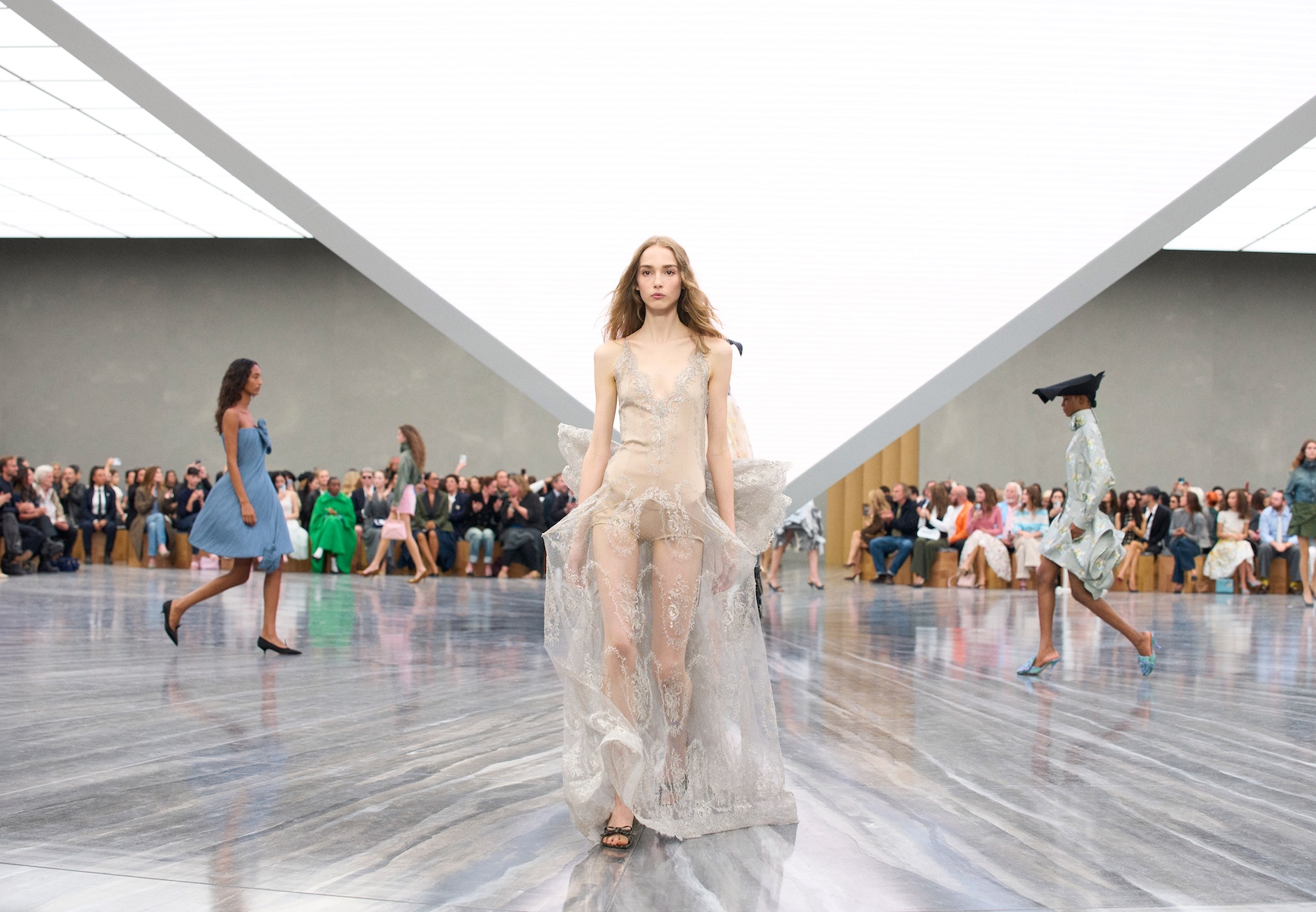
Smart Clothing Interfaces
The evolution of clothing into an interface between human and technology has redefined personal style. Sleeves and collars are no longer mere fabric extensions; they act as touch-sensitive control panels. Micro-LEDs, conductive threads, and flexible displays integrate seamlessly, enabling wearers to adjust temperature, lighting, or digital connectivity through gestures. The smart garment is both a tool and an extension of identity.
Imagine a blazer that morphs its color or pattern based on meeting schedules or ambient lighting, or sneakers that optimize cushioning for walking, running, or cycling in real time. These applications reflect the sophistication of Innovations in Future Fashion 2026 Changing How We Dress, proving that technology enhances not only utility but expressive potential.
Sustainability Meets High-Tech
Sustainability is no longer a supplementary consideration—it is a foundational principle in 2026 fashion. Designers leverage biodegradable polymers, recycled fibers, and low-impact dyes to minimize environmental footprints. Adaptive garments reduce the need for multiple seasonal wardrobes by morphing to suit various climates and occasions. A single multifunctional piece replaces what previously required three or four distinct items.
Energy-harvesting fabrics amplify sustainability. Photovoltaic textiles and kinetic-energy fibers generate power to charge embedded electronics or wearable devices. Consumers can seamlessly integrate fashion with eco-conscious living without sacrificing aesthetics. This holistic approach illustrates how Dress Smart with Future Fashion 2026 Innovations Ahead emphasizes environmental responsibility alongside personal style.
Transformative Footwear
Footwear in 2026 has undergone a parallel transformation. Sneakers, boots, and formal shoes are equipped with adaptive cushioning, posture correction sensors, and self-adjusting fits. Microfluidic soles modulate hardness according to terrain, reducing strain on joints during urban commutes. In high-performance sports contexts, shoes monitor gait mechanics, providing feedback to optimize efficiency and prevent injuries.
Luxury footwear integrates responsive aesthetic elements. Holographic surfaces, modular attachments, and intelligent laces allow for instant stylistic customization. This dual focus on ergonomics and design exemplifies the core of Future Fashion 2026 Shows Innovations Changing How We Dress, highlighting the importance of both function and aesthetic versatility.
AI-Assisted Personal Styling
Artificial intelligence has become an indispensable partner in 2026 fashion. AI platforms analyze biometric data, climate patterns, and personal preferences to curate wardrobe recommendations in real time. Outfits are suggested based on contextual needs—from formal meetings to casual city strolls—ensuring both comfort and style.
This integration of AI enhances accessibility, enabling consumers to explore bold styles without risk. Algorithms can combine color palettes, textures, and silhouettes to produce looks that are harmonious and avant-garde. This digital guidance reflects how How We Dress Transforms with Future Fashion 2026 Innovations, creating wardrobes that are simultaneously intelligent and highly personalized.
Modular and Interchangeable Design
A striking hallmark of 2026 fashion is modularity. Garments are no longer monolithic; they consist of interchangeable components—sleeves, collars, hoods, panels—that can be swapped to adapt to season, mood, or occasion. A coat can transform into a vest, a dress into a skirt and top ensemble, or trousers into convertible shorts. This design philosophy embodies both creativity and efficiency, reducing consumer reliance on mass production and overconsumption.
The modular approach encourages customization at an individual level, reinforcing the concept of clothing as an evolving expression rather than a fixed object. Through this lens, Innovations in Future Fashion 2026 Changing How We Dress reflect a sophisticated understanding of consumer needs and environmental responsibility.
Augmented Reality Fashion Experiences
Augmented reality (AR) extends the functionality of 2026 fashion. Smart mirrors, AR-enabled windows, and immersive dressing apps allow consumers to visualize garments in motion, in different lighting conditions, and in combination with other items. Clothing now has a virtual life before physical acquisition, merging convenience, sustainability, and personalization.
This technology also introduces social interactivity. Wearers can share AR-based outfit concepts with friends or influencers, receiving instant feedback and collaborative styling input. The fusion of digital and physical experiences underscores how Dress Smart with Future Fashion 2026 Innovations Ahead is not merely about clothing but about a fully immersive fashion ecosystem.
Intelligent Accessories
Accessories follow suit in innovation. Bags, jewelry, and watches integrate smart functionality without compromising aesthetic integrity. Handbags feature adaptive storage, charge embedded electronics, and incorporate anti-theft technology. Bracelets monitor vitals or act as personal notification systems, while rings double as touch-sensitive interfaces controlling other devices.
Hats and scarves adapt to environmental conditions. Temperature-sensitive fibers maintain warmth, while embedded sensors provide UV protection alerts. These intelligent enhancements underscore the holistic philosophy of Future Fashion 2026 Shows Innovations Changing How We Dress, where every element of an outfit serves multiple purposes.
Emotional and Mood-Sensing Clothing
Garments in 2026 are increasingly attuned to human emotion. Utilizing micro-sensors that detect stress markers, skin conductivity, and heart rate, clothing can adjust color, pattern, or texture in response to wearer mood. A blazer might transition to soothing pastel tones after a stressful day, or a dress could illuminate subtle dynamic patterns reflecting happiness or excitement.
This biofeedback integration is not merely ornamental—it fosters mental well-being. Clothing becomes a medium of communication between the self and others, visually conveying emotional states in a socially intelligible yet discreet manner. This innovation exemplifies the depth of How We Dress Transforms with Future Fashion 2026 Innovations, merging self-expression with psychological awareness.
Climate-Adaptive Outerwear
Outerwear in 2026 adapts to climatic conditions with unprecedented sophistication. Jackets and coats utilize thermo-responsive fabrics that automatically insulate or ventilate. Rainproof layers emerge with self-cleaning coatings and embedded hydrophobic fibers, while sun-reactive textiles provide UV protection, adjusting opacity or reflective properties depending on sunlight intensity.
Urban dwellers can rely on a single piece of outerwear across vastly different environments, reducing the need for multiple seasonal purchases. This evolution emphasizes Innovations in Future Fashion 2026 Changing How We Dress, demonstrating that environmental adaptability is now an essential component of practical style.
3D-Printed Garments
3D printing technology revolutionizes garment creation in 2026. Complex patterns, lattice structures, and intricate textures can now be printed directly onto flexible textiles or entirely new composite materials. This process reduces waste, enables unprecedented customization, and allows for rapid prototyping of avant-garde designs.
From printed shoes that conform to individual foot anatomy to dresses with responsive lattice panels, 3D printing enhances both comfort and aesthetic complexity. The potential for hyper-personalized fashion aligns closely with Dress Smart with Future Fashion 2026 Innovations Ahead, bridging technical ingenuity and individual expression.
Biometric Wardrobes
Biometric clothing takes the concept of personalization to its extreme. Outfits recognize the wearer and adjust fit, temperature, and function accordingly. Smart fibers respond to pulse, movement, and muscular engagement, optimizing support for activity, posture, or relaxation.
Fitness enthusiasts, professionals, and casual wearers alike benefit from garments that anticipate bodily needs. Biometric wardrobes are poised to redefine the very notion of “fit” and “comfort,” showcasing Future Fashion 2026 Shows Innovations Changing How We Dress through highly responsive design.
Interactive Color and Pattern
Dynamic textiles allow instantaneous alteration of color and pattern. By incorporating electrochromic fibers and flexible displays, garments can shift from subtle neutral tones to bold, graphic statements at the push of a button or automatically based on environmental cues.
This technological leap enables unparalleled versatility and self-expression. A single outfit can transition from casual daytime neutrality to vibrant evening aesthetic without changing physical garments. Such innovation epitomizes the essence of How We Dress Transforms with Future Fashion 2026 Innovations, where interactivity meets artistry.
Energy-Harvesting Textiles
Clothing now functions as an energy interface. Fibers embedded with piezoelectric, photovoltaic, or triboelectric components convert movement, sunlight, or ambient energy into usable power. Smartphones, wearable devices, and even microelectronics within the garments themselves can draw from this energy reservoir.
This dual-purpose design merges practicality and futuristic innovation, embodying the ethos of Innovations in Future Fashion 2026 Changing How We Dress, where utility and imagination converge seamlessly.
Cultural Hybridization in Design
Designers increasingly draw inspiration from global cultural narratives, merging traditional craftsmanship with technological sophistication. Patterns, motifs, and construction techniques from diverse regions are digitally reinterpreted, creating hybrid garments that honor heritage while embracing innovation.
Such cross-cultural synthesis enriches aesthetic vocabulary, positioning fashion as a dynamic reflection of interconnected societies. This trend underscores the global resonance of Future Fashion 2026 Shows Innovations Changing How We Dress, ensuring that style remains both personal and universally inspired.
Ethical Fashion Intelligence
The rise of intelligent textiles comes paired with ethical considerations. Data privacy, consent for biometric monitoring, and sustainable production practices are integral to 2026 fashion innovation. Garments are designed to secure user data, providing transparency and control over shared biometric or environmental information.
Ethically engineered fashion ensures that technology enhances life without compromising security or privacy. This alignment of innovation and responsibility embodies the principles behind Dress Smart with Future Fashion 2026 Innovations Ahead, merging cutting-edge capabilities with moral accountability.
Social and Collaborative Fashion
Digital connectivity transforms fashion into a collaborative, participatory experience. Wearers can influence one another’s style in real time, share dynamic outfits virtually, or engage in co-designed garments with peers. Fashion communities become interactive ecosystems where design, personalization, and social engagement intersect.
This democratization of style ensures that innovation reaches beyond elite designers, enabling everyday consumers to explore Innovations in Future Fashion 2026 Changing How We Dress through interactive collaboration and shared creativity.
The Future of Workwear
Professional attire in 2026 integrates functionality, health optimization, and environmental adaptation. Suits feature posture-correcting support, adaptive thermal regulation, and embedded haptic notifications for seamless workflow integration. For fieldwork, jackets include modular safety enhancements, visibility controls, and real-time environmental monitoring.
These developments demonstrate the universality of 2026 fashion innovation, illustrating that How We Dress Transforms with Future Fashion 2026 Innovations in both leisure and professional spheres.
Minimalist Futurism in Everyday Wear
Minimalist futurism dominates daily wardrobes, emphasizing clean lines, neutral tones, and purposeful utility enhanced by smart materials. Everyday garments feature concealed tech, adaptive fits, and modular components, ensuring that style remains understated yet technologically advanced.
This approach exemplifies the balance of form and function, aesthetic simplicity, and intelligent sophistication central to Future Fashion 2026 Shows Innovations Changing How We Dress.
The Social Impact of Interactive Fashion
Interactive fashion influences not only individual identity but also social interaction. Clothing that adapts to environmental cues, communicates mood, or responds to proximity reshapes urban interaction dynamics. Social signaling through smart garments becomes more nuanced and expressive.
Through these mechanisms, fashion achieves a new social dimension, reinforcing the relevance of Dress Smart with Future Fashion 2026 Innovations Ahead in everyday life.
Conclusion: A Transformative Year for Fashion
2026 represents a watershed moment for fashion. With the integration of adaptive textiles, smart interfaces, AI-assisted styling, modular design, AR visualization, and sustainability, Innovations in Future Fashion 2026 Changing How We Dress redefine the very concept of clothing. Garments become multifunctional, interactive, and ethically conscious, transforming the wearer’s relationship with style, environment, and community.
The year promises an unprecedented fusion of art, technology, and practical utility. How We Dress Transforms with Future Fashion 2026 Innovations across urban streets, professional spheres, and social landscapes, creating wardrobes that are as intelligent as they are expressive. As everyday life integrates these advancements, the mantra for the modern individual becomes clear: Dress Smart with Future Fashion 2026 Innovations Ahead—embracing adaptive, personalized, and conscious fashion as the defining standard of style in 2026.
With every stitch, fiber, and microchip, fashion evolves into a living ecosystem. Future Fashion 2026 Shows Innovations Changing How We Dress, charting a bold course where creativity, technology, and humanity intersect, promising a future where clothing is not only worn but experienced.

:max_bytes(150000):strip_icc()/092925-Best-Milan-Looks-SOC-40c5362a97b04e8c9d38e42ed9372ed1.jpg?w=300&resize=300,300&ssl=1 "Milan Fashion Week 2026: Best Street Style & Layering Trends")


More Stories
Demna at Gucci: Everything to Know About the 2026 Milan Debut
Milan Fashion Week 2026: Best Street Style & Layering Trends
Ellen DeGeneres Controversy: What Happened Behind the Scenes